180 Fred Taylor Drive, Whenuapai, Auckland 24/7 Emergency Service
Professional mould removal in Auckland. Mould is more than unsightly — it's a health hazard. iDry's IICRC-certified team identifies the source, removes the mould safely, and stops it coming back. Free assessment available.
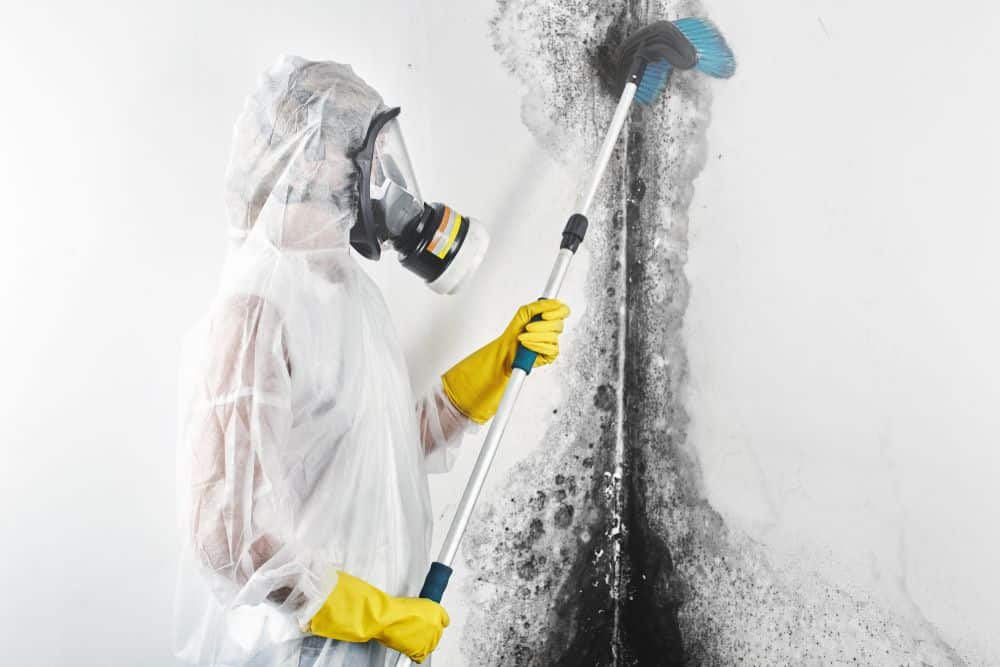
Professional mould remediation is needed when: the visible area exceeds 1 m², mould is inside wall cavities or ceiling spaces, or anyone in your household has ongoing respiratory symptoms.
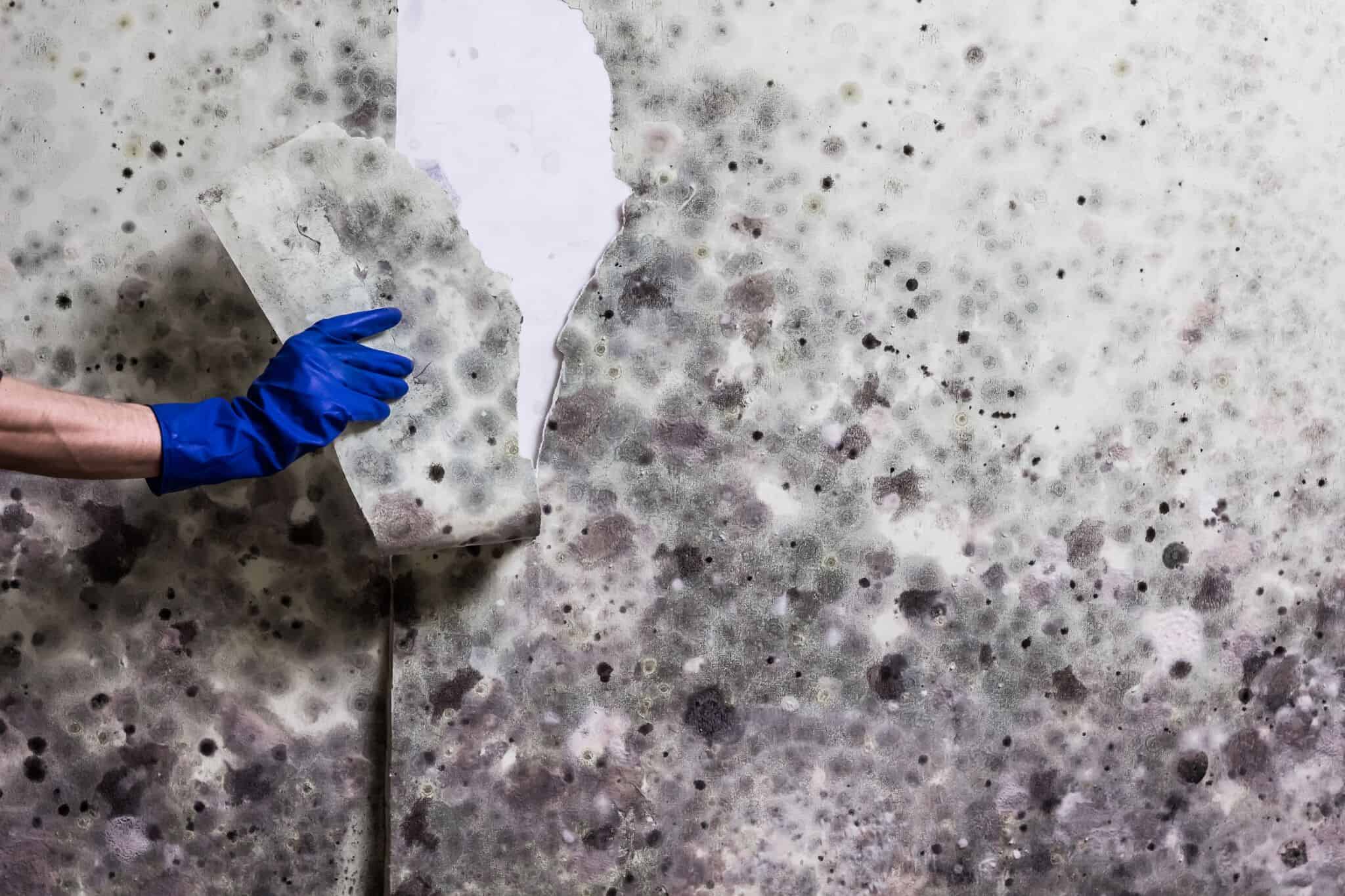
Auckland's high humidity, frequent rain, and older housing stock create ideal conditions for mould growth. What starts as a small patch can quickly spread behind walls, under floors, and into ceiling cavities.
Mould spores trigger asthma, allergies, coughing, and sinus infections. Black mould produces mycotoxins that are harmful with prolonged exposure.
Visible mould is often just the surface. Colonies thrive inside wall cavities, under flooring, and in subfloor spaces where you can't see them.
Mould degrades plasterboard, timber, carpet, and soft furnishings. Left untreated, remediation costs escalate and property value drops.
iDry doesn't just clean mould off surfaces — we eliminate it at the source and stop it from returning. Our IICRC-certified process follows industry best practice.
Negative air pressure containment prevents spores spreading during removal. HEPA air scrubbers filter airborne particles.
Contaminated materials are safely removed and disposed of. Surfaces are treated with professional-grade antimicrobial solutions.
Where mould has penetrated subfloor timber or vinyl that cannot be cleaned, our trade partners at FlooringPro can replace mould-damaged timber or vinyl flooring as part of the full restoration.
We find and fix what's causing the mould — leaks, condensation, poor ventilation, or rising damp. No point removing mould if the cause remains.
Antimicrobial coatings applied to treated surfaces to prevent recolonisation. Ventilation recommendations tailored to your property.
Post-remediation air testing confirms mould levels are within safe limits. You receive a clearance certificate for your records or insurer.
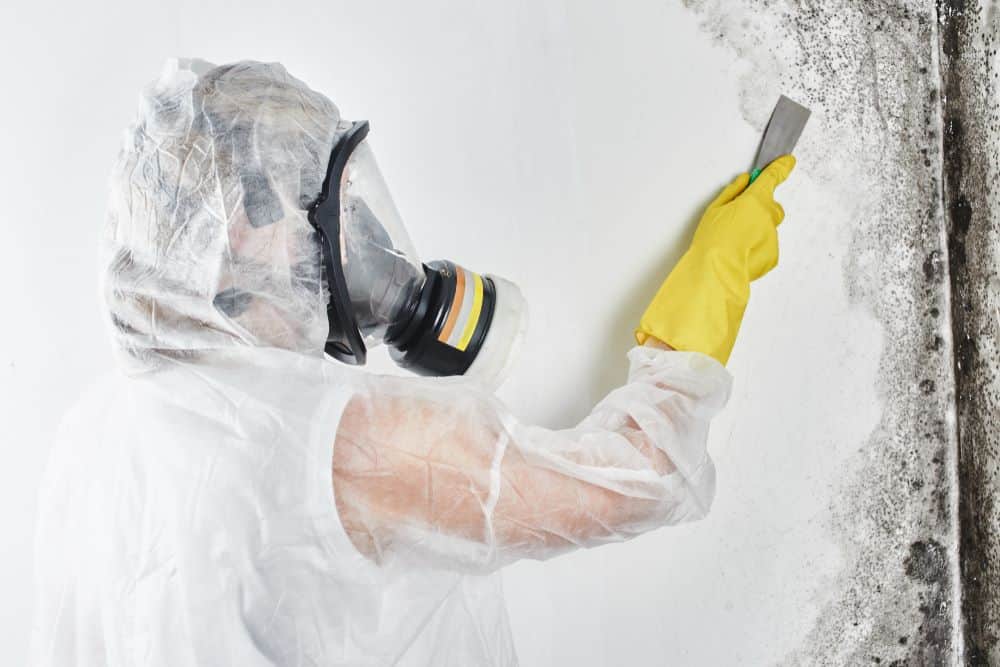
Over 1,500 restoration jobs completed across Auckland. Here's what clients say about our mould remediation work.
"We had mould spreading through our bathroom and into the bedroom wall in our Titirangi home. iDry found it had gone behind the plasterboard too. They contained it, removed all the affected material, and treated everything. Six months on — no sign of it returning."
"Several of my rental properties in South Auckland had recurring mould issues. iDry did a full assessment, identified the ventilation problems causing it, remediated all affected areas, and gave us a prevention plan. Tenants are much happier and no callbacks."
"My kids were getting constant coughs and we couldn't figure out why. Turned out there was black mould in the subfloor of our Epsom villa. iDry found the moisture source, contained the affected area, and removed the mould. The musty smell and damp feeling improved within days."
A proven process that eliminates mould safely and prevents it from returning.
We inspect your Auckland property, take air and surface samples, and identify both the mould species and the moisture source causing it.
Affected areas are sealed with plastic sheeting and negative air pressure. HEPA air scrubbers run continuously to capture airborne spores.
Contaminated materials are safely removed. All surfaces are treated with antimicrobial solutions. The moisture source is addressed to prevent recurrence.
Post-remediation air testing confirms safe mould levels. We provide a clearance certificate and prevention recommendations tailored to your property.
Once structural mould has been removed and your clearance certificate issued, contaminated carpets and soft furnishings may still carry spores and odour. For professional carpet and soft furnishing cleaning after mould remediation, our partners at CleaningPro provide specialist deep-cleaning services across Auckland.
When it comes to mould, you need specialists who understand Auckland's unique climate challenges and follow certified remediation protocols.

Every technician holds current IICRC mould remediation certification. We follow the S520 Standard for professional mould remediation.

Moisture checks, visual assessment of affected materials, containment planning and drying diagnostics guide the mould removal and treatment process before work starts.

Negative air pressure, plastic barriers, and HEPA filtration prevent spores spreading to clean areas during removal. This is what separates professionals from DIY.
We don't just remove mould — we find and fix the moisture problem causing it. Leaks, condensation, ventilation issues — we identify and resolve the root cause.

If your mould resulted from a covered event, we handle all insurance documentation, reporting, and claims communication directly with your insurer.

Post-remediation photos, notes and moisture/drying documentation where practical, so you can see what was treated and what moisture conditions need to stay controlled.
Auckland's humidity and older housing stock mean mould is common across every suburb. Our team services the entire Auckland region.
Henderson, Te Atatu, New Lynn, Glen Eden, Titirangi, Massey, Westgate, Kumeu
CBD, Grey Lynn, Ponsonby, Mt Eden, Parnell, Newmarket, Epsom, Remuera
Manukau, Papakura, Takanini, Mangere, Otahuhu, Papatoetoe, Botany, Howick
Takapuna, Devonport, Albany, Milford, Browns Bay, Glenfield, Birkenhead, Northcote
Common signs include visible dark spots on walls or ceilings, a persistent musty smell, condensation on windows, peeling paint or wallpaper, and worsening respiratory symptoms. Auckland's humid climate makes properties particularly susceptible. iDry provides professional moisture-source checks and remediation planning to help identify where mould is growing and why it is returning.
Yes. Mould exposure can cause respiratory issues, allergic reactions, headaches, skin irritation, and aggravate asthma. Black mould produces mycotoxins that pose serious health risks with prolonged exposure. Children, elderly people, and those with compromised immune systems are most vulnerable. Professional removal is recommended rather than DIY approaches which can spread spores.
Mould remediation costs depend on the size of the affected area, the type of mould, and materials involved. Small areas may cost a few hundred dollars while large-scale remediation of multiple rooms can cost several thousand. Many cases are covered by home insurance if the mould resulted from a sudden event like a leak or flood. iDry provides free assessments and works with insurers directly.
Small surface mould patches on non-porous surfaces can sometimes be cleaned with appropriate products. However, professional remediation is strongly recommended for larger areas, mould in wall cavities or ceiling spaces, black mould, or mould caused by flooding. DIY removal without proper containment can spread spores throughout your home, making the problem significantly worse.
A typical mould remediation job takes 2–5 days depending on the extent of contamination. This includes containment setup, HEPA air filtration, removal of affected materials, antimicrobial treatment, and clearance testing. Larger jobs involving multiple rooms or structural materials may take up to two weeks. iDry provides a clear timeline during the initial assessment.
Professional remediation addresses both the mould and its cause. iDry identifies and resolves the moisture source driving mould growth, whether that's a leak, poor ventilation, or condensation. We apply preventative antimicrobial treatments and provide recommendations for ongoing moisture management. When the source is properly addressed, mould should not return.
iDry services all of Auckland including West Auckland (Henderson, Te Atatu, New Lynn), Central Auckland (Grey Lynn, Ponsonby, Mt Eden, Epsom), South Auckland (Manukau, Papakura, Botany), and the North Shore (Takapuna, Albany, Devonport). Auckland's humid climate makes mould a region-wide problem.
Mould remediation may be covered by insurance if the mould resulted from a sudden, accidental event such as a burst pipe, storm damage, or flooding. Mould caused by long-term maintenance issues like poor ventilation is typically not covered. iDry can assess your situation and work with your insurer to determine coverage.
Black mould (Stachybotrys chartarum) produces mycotoxins that pose greater health risks than many common moulds. However, all mould types can cause respiratory issues and allergic reactions. Professional remediation focuses on containment, safe removal/treatment, moisture control and reducing the conditions that allow mould to return. iDry treats mould contamination with rigorous containment and removal protocols.
Yes. Mould can begin growing within 24–48 hours of water exposure. Floods, burst pipes, roof leaks, and even condensation provide the moisture mould needs to colonise. If you have recently experienced water damage, it is critical to have the affected area professionally dried and treated to prevent mould. iDry provides both flood restoration and mould remediation services.
Mould often follows water damage. iDry provides a full range of restoration services to address every aspect of property damage.

24/7 emergency water extraction, structural drying, and full flood damage restoration. Fast drying prevents mould growth.
Learn More →
Complete fire and smoke damage restoration including soot removal, odour neutralisation, and structural repair.
Learn More →
Certified meth decontamination. NZS 8510 compliant with clearance certificates.
Learn More →Use these quick links to find the right iDry service for flood, water, fire, mould or urgent emergency restoration across Auckland.
iDry provides practical mould treatment for Auckland homes, rentals and commercial properties where dampness, leaks, flooding or poor ventilation have allowed mould to spread. Our team focuses on safe removal, cleaning affected materials, reducing moisture and helping prevent recurrence.
If you are looking for black mould cleaners or black mould removal NZ support in Auckland, we can help with black mould removal, moisture readings, drying, surface treatment and restoration advice. iDry focuses on removal, remediation, drying support and fixing moisture causes so the problem is dealt with properly.
If dampness, leaks, flooding or poor ventilation have caused mould growth, iDry provides professional mould remediation Auckland, mould treatment and black mould removal NZ support. Our team focuses on safe removal/treatment, moisture-source checks, drying recommendations and practical steps to reduce the conditions that allow mould to return.
We are especially useful after water leaks, flood events, fire-restoration moisture or wet building materials where mould risk is rising. iDry provides mould removal, treatment and remediation services. We do not offer standalone testing, lab analysis, or laboratory reports.