
Wet Carpet Smell After Flood Auckland
A damp carpet smell after flooding usually means moisture remains in the carpet, underlay, subfloor or nearby walls. iDry provides urgent wet carpet drying across Auckland.
Remove Moisture Before Odour Becomes Mould Risk
Wet carpet odour after a flood, burst pipe or leak is a warning sign. Moisture can remain trapped in the backing and underlay even when the top feels partly dry.
iDry checks moisture levels, extracts water where needed and uses professional drying equipment to reduce odour, mould risk and further damage.
Call iDry on 0800 452 199 for 24/7 Auckland restoration support.
24/7 Auckland Restoration Response
Fast assessment and drying helps reduce secondary damage, odour and mould risk after water affects your property.
Carpet and Underlay Checks
We assess whether moisture is limited to the surface or has reached underlay, subfloor, skirting and walls.
Drying and Dehumidification
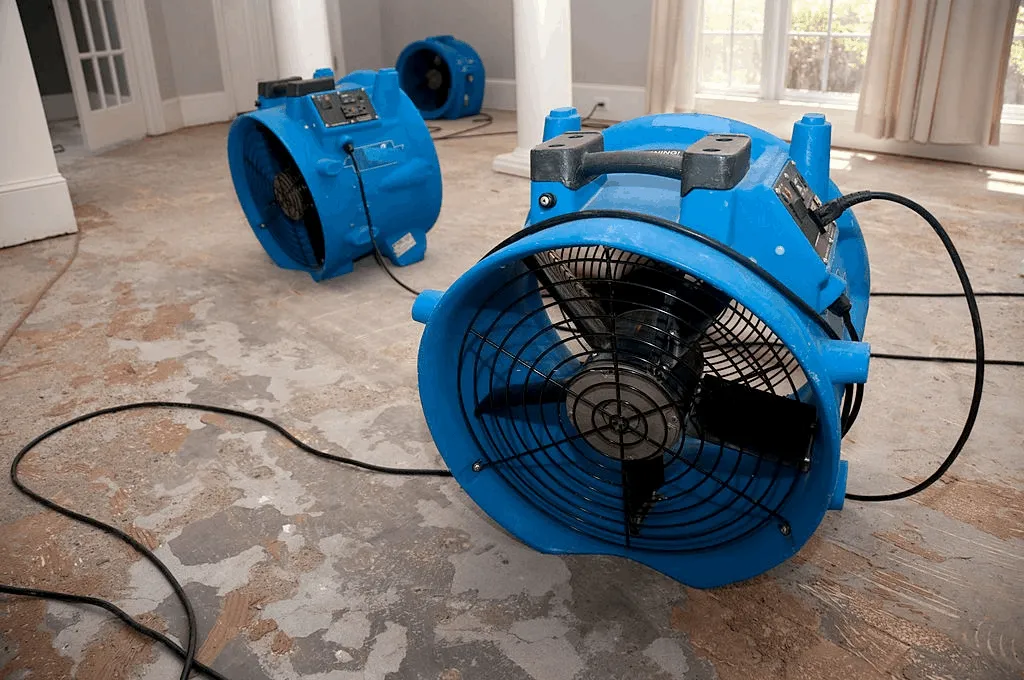
Targeted airflow and dehumidification help dry wet carpet systems faster than household fans.
Odour and Mould Risk
Fast drying helps reduce musty smells and the chance of mould growth after flooding.
Why Wet Carpet Smells After a Flood
That musty, sour smell is not just damp — it is bacteria and mould beginning to grow in materials that stayed wet. Carpet pile can feel dry on top while the underlay beneath it is still saturated, which is why the smell often gets worse days after the flood, not better.
Saturated underlay
Foam underlay acts like a sponge and holds water for weeks. It is the single most common source of post-flood odour in NZ homes.
Bacteria growth
Floodwater carries organic material. In warm, damp carpet it multiplies within 24–48 hours, producing the classic sour smell.
Wet subfloor and smooth-edge
Timber subfloors and carpet gripper strips absorb water and release odour slowly as they dry naturally over weeks.
Early mould
A mushroomy or earthy smell usually means mould has started in the pile, underlay or skirting — treat this urgently.
Can the Carpet Be Saved — or Does It Need Replacing?
Clean water (Category 1)
From burst pipes or rain leaks. Carpet can usually be dried in place if treated within 24–48 hours; underlay often still needs replacing.
Grey water (Category 2)
From washing machines, dishwashers or shower overflow. Carpet can often be saved with extraction, antimicrobial treatment and proper drying.
Black water (Category 3)
Sewage or rising floodwater. Carpet and underlay should be removed and disposed of — sanitising the subfloor is the priority.
How iDry Removes the Smell — Permanently
Water extraction
Truck-grade extraction pulls litres of trapped water out of carpet and underlay that domestic cleaners cannot reach.
Underlay replacement
Where underlay is saturated we lift the carpet, remove the wet underlay and dry the subfloor before re-laying.
Antimicrobial treatment
Treatments applied to carpet, smooth-edge and subfloor kill the bacteria producing the odour instead of masking it.
Verified structural drying
Air movers and dehumidifiers run until moisture readings hit dry standard — the smell cannot return if nothing stays wet.
Wet Carpet Smell After Flood Auckland — FAQs
Will the smell go away on its own?
Usually not. The smell means something is still wet or bacteria has already grown. Air freshener masks it briefly, but odour returns until the wet material is dried or removed.
How fast should wet carpet be dried?
Within 24–48 hours. After that, bacteria and mould growth accelerate and the chance of saving the carpet and underlay drops sharply.
Does wet underlay always need replacing?
Often, yes. Foam underlay holds water like a sponge and rarely dries fully in place. It is inexpensive to replace compared with the mould risk of leaving it damp.
Can you remove the smell without replacing the carpet?
In many Category 1 and 2 cases, yes — extraction, antimicrobial treatment and verified drying remove the source of the odour. Category 3 floodwater means the carpet should go.
Is the musty smell dangerous?
It can be. Persistent musty odour usually indicates mould growth, which affects air quality and can aggravate asthma and allergies — especially for children.
Does insurance cover smelly flood-damaged carpet?
If the flood cause is covered by your policy, extraction, drying, underlay replacement and antimicrobial treatment are normally part of the claim. We document everything for your insurer.
Trusted Auckland restoration — 24/7 emergency response
Send your details and we'll call you straight back
Emergency right now? Call our 24/7 line — a real person answers. Not urgent? Send the form and we'll be in touch.
- IICRC-trained technicians
- 24/7 emergency response
- We work with your insurer
- Commercial & residential
Enquire online
Short form — takes under a minute.