Sewage Cleanup Auckland
Sewage overflows and contaminated water are urgent health risks. iDry helps Auckland homes, landlords, body corporates and commercial sites make the area safer, remove affected water, sanitise surfaces, dry hidden moisture and document the job for insurance or property managers.
Protect Your Property Before Damage Spreads
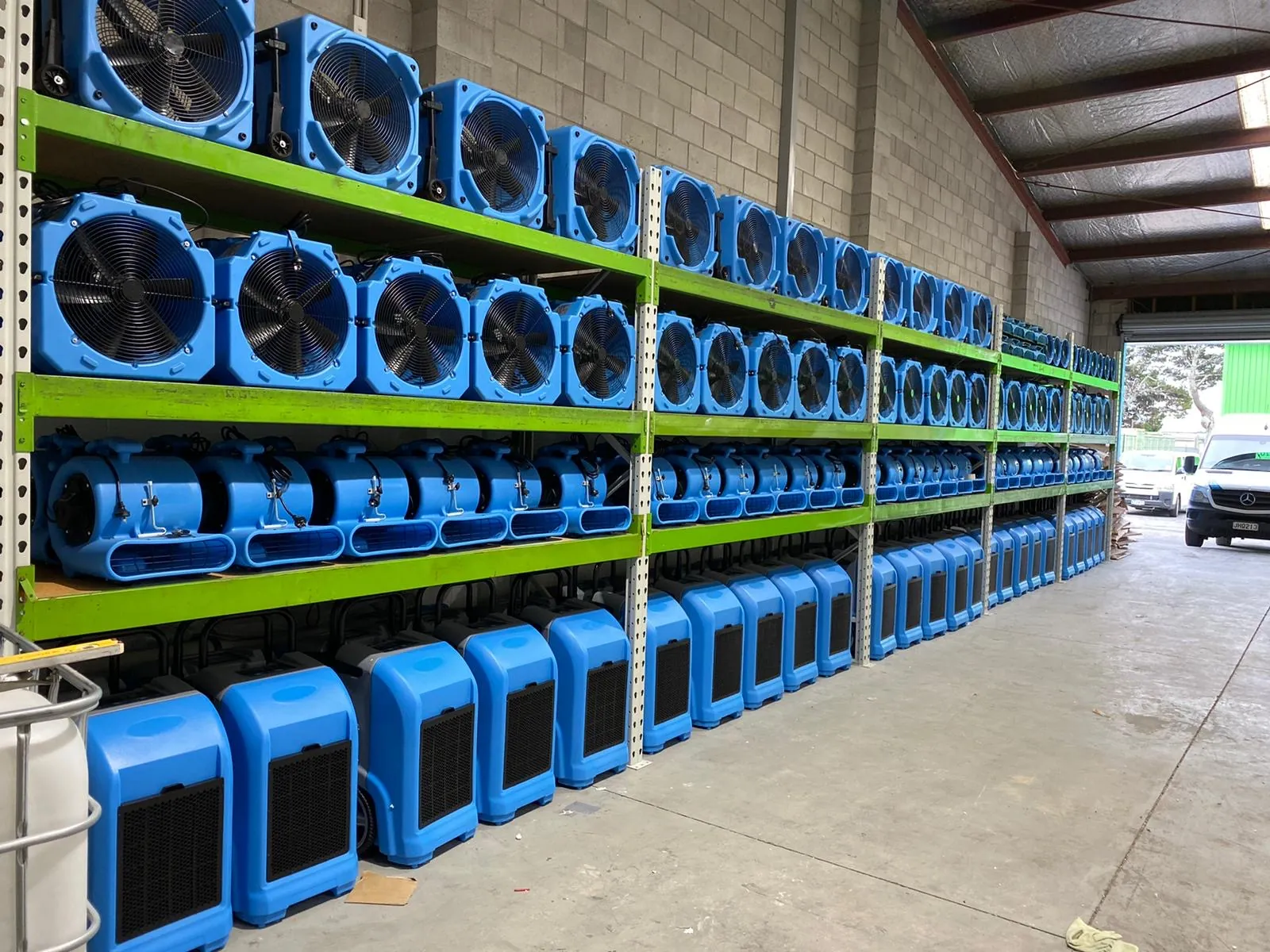
iDry combines emergency response, commercial drying equipment and insurance-ready documentation for Auckland restoration jobs.
Sewage backups and raw sewage contamination are a serious health hazard, not just an unpleasant mess — wastewater carries bacteria, viruses and parasites that require professional decontamination, not standard cleaning. iDry's sewage cleanup process includes extraction, full decontamination of affected surfaces and materials, structural drying where the backup has caused water damage, and disposal of contaminated material through proper channels. We're Insurance Claim Specialists who've handled claims with all major NZ insurers, and many sewage backup incidents — particularly those from a burst or blocked pipe — are covered under standard home insurance policies.
Key Risks
- Blackwater contamination can carry bacteria, viruses and pathogens.
- Moisture under flooring and wall linings can trigger mould quickly.
- DIY cleanup can spread contamination into clean rooms and soft furnishings.
What We Do
- Urgent site assessment and make-safe guidance
- Contaminated water extraction and affected material advice
- Cleaning, sanitising and odour control for impacted areas
- Moisture readings, drying equipment and progress checks
- Photos and notes for insurance, landlords or property managers
Trust Proof
- IICRC-certified restoration approach
- 24/7 Auckland emergency support
- Moisture readings and job photos
- Insurance and property-manager friendly reporting
How iDry Handles Sewage And Contaminated Water Cleanup
1. Call and Contain
We guide immediate safety steps, isolate the affected area where practical and arrange urgent Auckland response.
2. Extract and Sanitise
Technicians remove affected water, clean surfaces and apply appropriate sanitising/odour-control steps.
3. Dry and Document
We place drying equipment, monitor moisture and provide clear job notes/photos for next decisions.
Sewage Cleanup Safety — What You Must Know
- Never attempt DIY sewage cleanup. Sewage (Category 3 / black water) contains harmful bacteria, viruses, and parasites including E. coli, Salmonella, Hepatitis A, and other pathogens.
- Keep all people and pets away from the affected area. Do not walk through sewage-affected areas and then into clean rooms — this spreads contamination.
- Turn off HVAC systems to prevent airborne spread of contaminants through the property.
- Do not use household cleaning products on sewage spills — professional-grade antimicrobial treatments are required for proper decontamination.
- Any porous materials (carpet, underlay, mattresses, soft furnishings) that have absorbed sewage water typically require disposal, not cleaning.
- Wear proper PPE if you must enter the area before professionals arrive: rubber boots, gloves, eye protection, and an N95 mask at minimum.
Sewage Cleanup Auckland FAQs
Is sewage cleanup safe to do myself?
No. Sewage and blackwater can contain harmful pathogens. Keep people and pets away, avoid walking contamination through the property and call a trained restoration team.
How fast can iDry respond in Auckland?
iDry provides 24/7 emergency response across Auckland. Response timing depends on technician availability and location, but sewage and contaminated-water jobs are treated as urgent.
Will insurance need photos and moisture readings?
Often yes. iDry can provide photos, moisture readings and job notes to help support insurance, landlord or property-manager decisions.
Can sewage water cause mould?
Yes. Once moisture sits inside carpet, underlay, walls or cabinetry, mould risk rises quickly. Drying and moisture checks are important after cleanup.
Is sewage cleanup covered by insurance in Auckland?
Most home and contents insurance policies cover sudden sewage damage. iDry works directly with IAG, Tower, Vero, and AA Insurance with direct billing for approved claims.
How dangerous is sewage backup in a home?
Sewage contains harmful bacteria, viruses, and parasites. Category 3 (black water) requires professional decontamination with proper PPE and antimicrobial treatments. Never attempt DIY sewage cleanup.
What does professional sewage cleanup involve?
iDry's process: containment of affected area, sewage removal, disposal of contaminated materials, antimicrobial decontamination, structural drying, and full restoration to safe condition.
Do I need to leave my property during sewage cleanup?
For minor contained backups, you may stay in unaffected areas. For significant overflows, temporary relocation is often recommended. iDry provides professional guidance based on assessment.
What areas does iDry cover for sewage cleanup?
All Auckland suburbs — West Auckland (Henderson, Te Atatu), North Shore (Takapuna, Albany), South Auckland (Manukau, Papakura), Central Auckland (CBD, Ponsonby), and East Auckland (Howick, Botany).
How much does sewage cleanup cost in Auckland?
Cost varies depending on the extent of contamination and whether structural drying or material replacement is needed. Every job starts with an on-site assessment and a clear quote before work begins.
Related Auckland Restoration Services
Need Urgent Sewage Cleanup?
Call iDry 24/7 for fast Auckland response, contaminated water extraction, sanitising and clear restoration advice.
Call 0800 452 199 — 24/7 emergency sewage cleanup, IICRC certified, direct insurer billing.
Trusted Auckland restoration — 24/7 emergency response
Send your details and we'll call you straight back
Emergency right now? Call our 24/7 line — a real person answers. Not urgent? Send the form and we'll be in touch.
- IICRC-trained technicians
- 24/7 emergency response
- We work with your insurer
- Commercial & residential
Enquire online
Short form — takes under a minute.
Sewage-cleanup questions Auckland customers ask
Sewage and contaminated water can create biological and physical hazards. Keep people and pets away, avoid contact, and obtain a site-specific cleanup and material-removal assessment.
What should occupants do after a sewage overflow?
Avoid contact, keep people and pets away, and do not use electrical equipment in affected wet areas. Arrange professional assessment and follow emergency advice where required.
Can contaminated carpet or underlay be saved?
Material decisions depend on contamination, porosity, exposure and applicable cleanup requirements. Highly porous contaminated materials often cannot be safely retained.
What changes sewage-cleanup cost?
Affected area, contamination, access, material removal, cleaning, drying, disposal and reinstatement requirements can all change the scope.
General guidance only. Safety, restoration scope, timing, documentation and insurance outcomes depend on the incident and assessment.