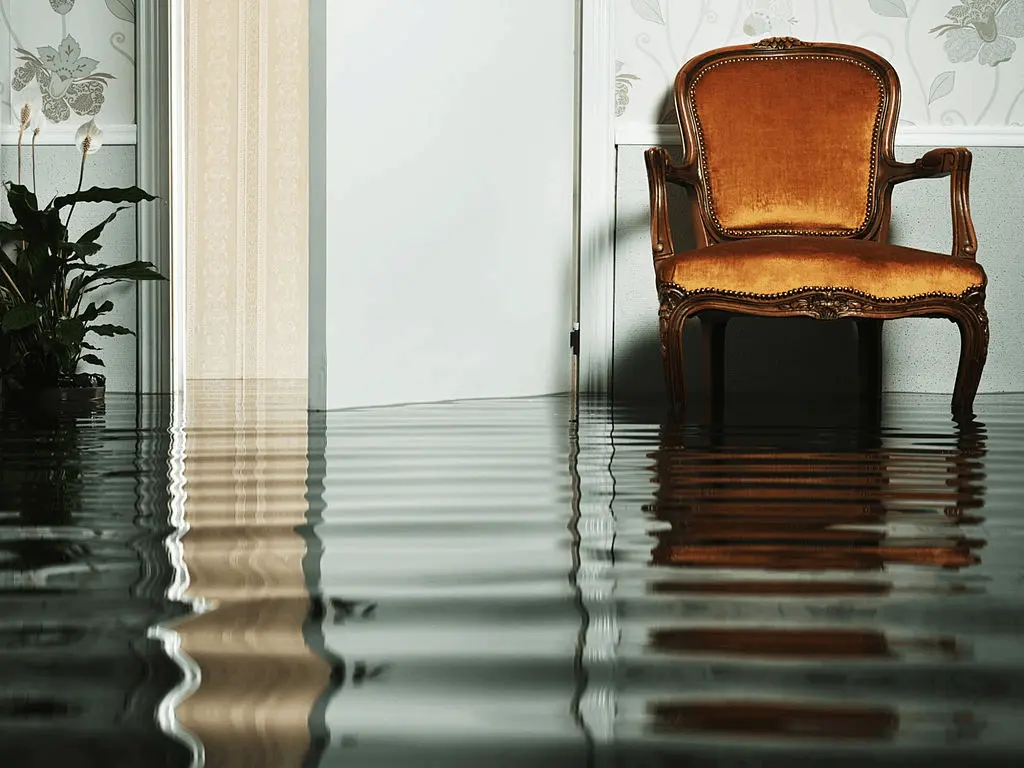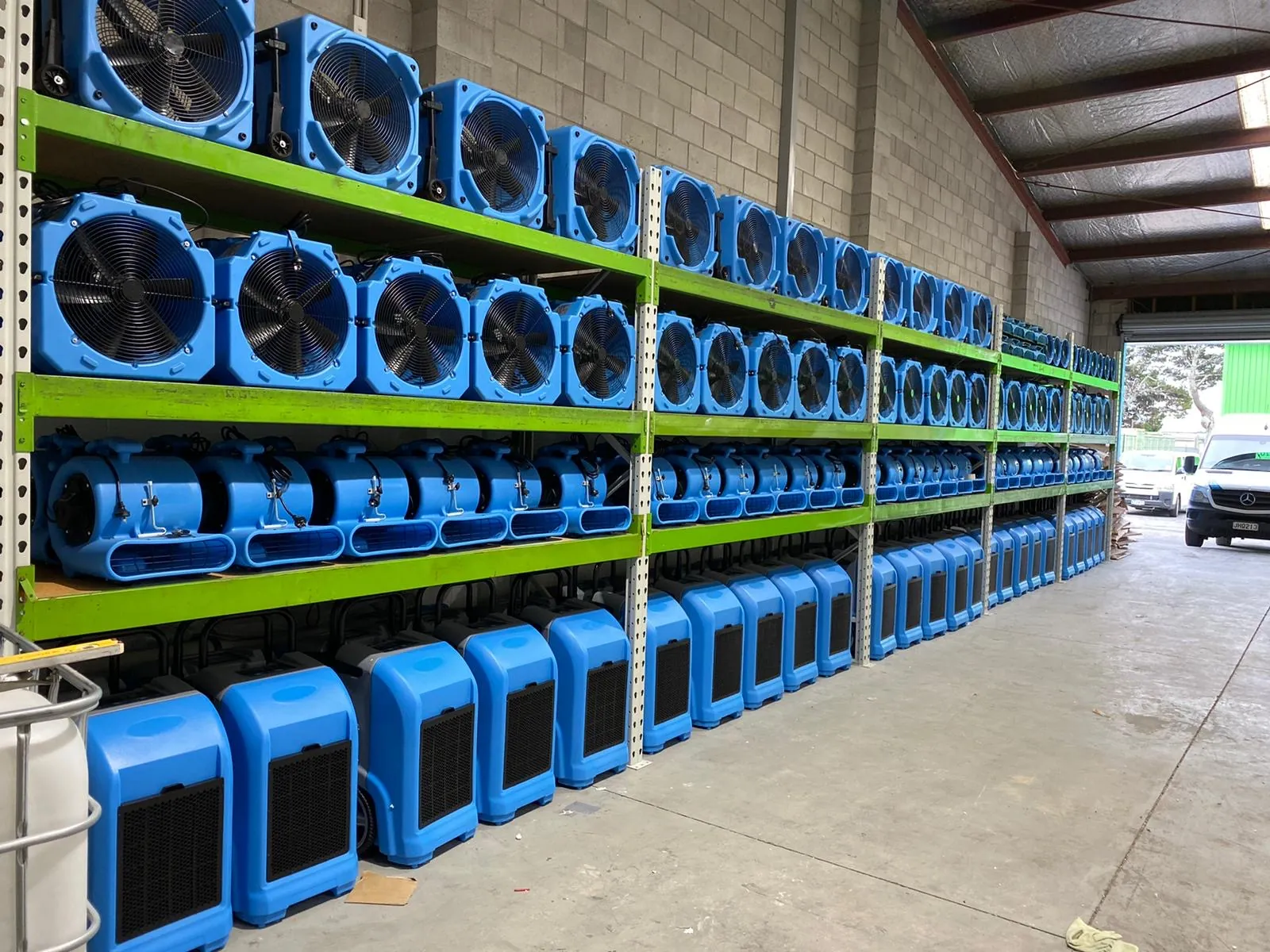
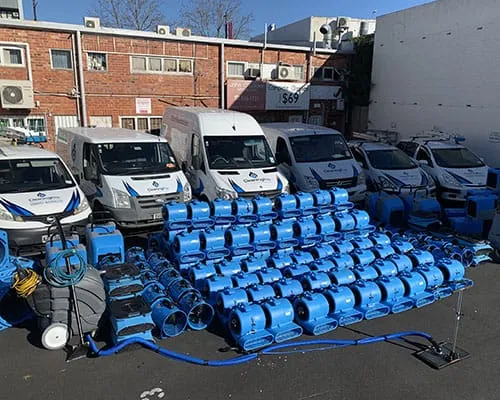
A water damage claim is easier to manage when the property is made safe, the source is recorded and the condition of affected materials is documented. This guide explains practical preparation for a New Zealand claim without promising an insurer’s outcome.
Make the property safe first
Deal with immediate electrical, structural and contamination risks before cleaning up. If a burst pipe or appliance is involved, isolate the water when it can be done safely. Do not enter unsafe standing water or disturb suspected wastewater contamination.
Document before cleaning or disposal
Take dated photographs and video of each affected room, including floors, walls, ceilings, skirtings, cabinetry, contents and the apparent source. Write down when the incident was discovered, what was done to limit further damage and which items were moved or discarded.
Keep the claim evidence organised
Save invoices, emergency trades records, temporary accommodation information and purchase evidence where available. Follow the insurer’s instructions about inspection, disposal and authorisation. A restoration contractor can provide observations and moisture information, but cannot decide whether a policy responds.
Ask for a moisture and damage assessment
Water can travel beyond the visible stain and remain in underlay, wall cavities, cabinetry and structural materials. Moisture mapping and a written scope can help separate affected areas, drying tasks and materials that may need further investigation or controlled removal.
Important limits
Policy wording, excesses, exclusions and claim decisions differ. Treat this page as general information, not insurance, legal or building advice. Ask your insurer or broker what evidence and approvals they require for your circumstances.
Contact the insurer early
Use the insurer's published claims channel and ask for the claim number, immediate safety instructions and any approval requirements. Confirm whether emergency mitigation can begin before an assessor attends and whether the insurer requires a preferred supplier. Record the date, time and name of each person you speak with.
Distinguish the source from the resulting damage
Claims often involve two related issues: what caused the water escape and what property damage followed. A plumber or other trade may need to address the source, while a restoration contractor documents affected materials and drying. Keep reports from both workstreams because the insurer may assess them differently under the policy.
Do not promise or assume cover
A contractor can provide photos, moisture readings, observations and an itemised scope, but only the insurer can interpret the policy and make a coverage decision. Avoid treating an initial phone comment as final approval. Ask for important instructions and authorisations in writing when possible.
Useful documents for a claim file
- Claim number and insurer contact details
- Incident timeline and source information
- Room-by-room photographs and affected-item list
- Emergency invoices and trade reports
- Moisture maps, drying logs and progress photographs
- Written scopes, quotations and insurer approvals
Before permanent repairs begin, confirm who is authorised to approve the scope and whether the insurer needs another inspection. This reduces avoidable disagreement about work completed before evidence was reviewed.
Need help after water damage?
For urgent extraction, moisture assessment and drying support across Auckland, call iDry's 24/7 emergency line.
Call 0800 452 199 Send details