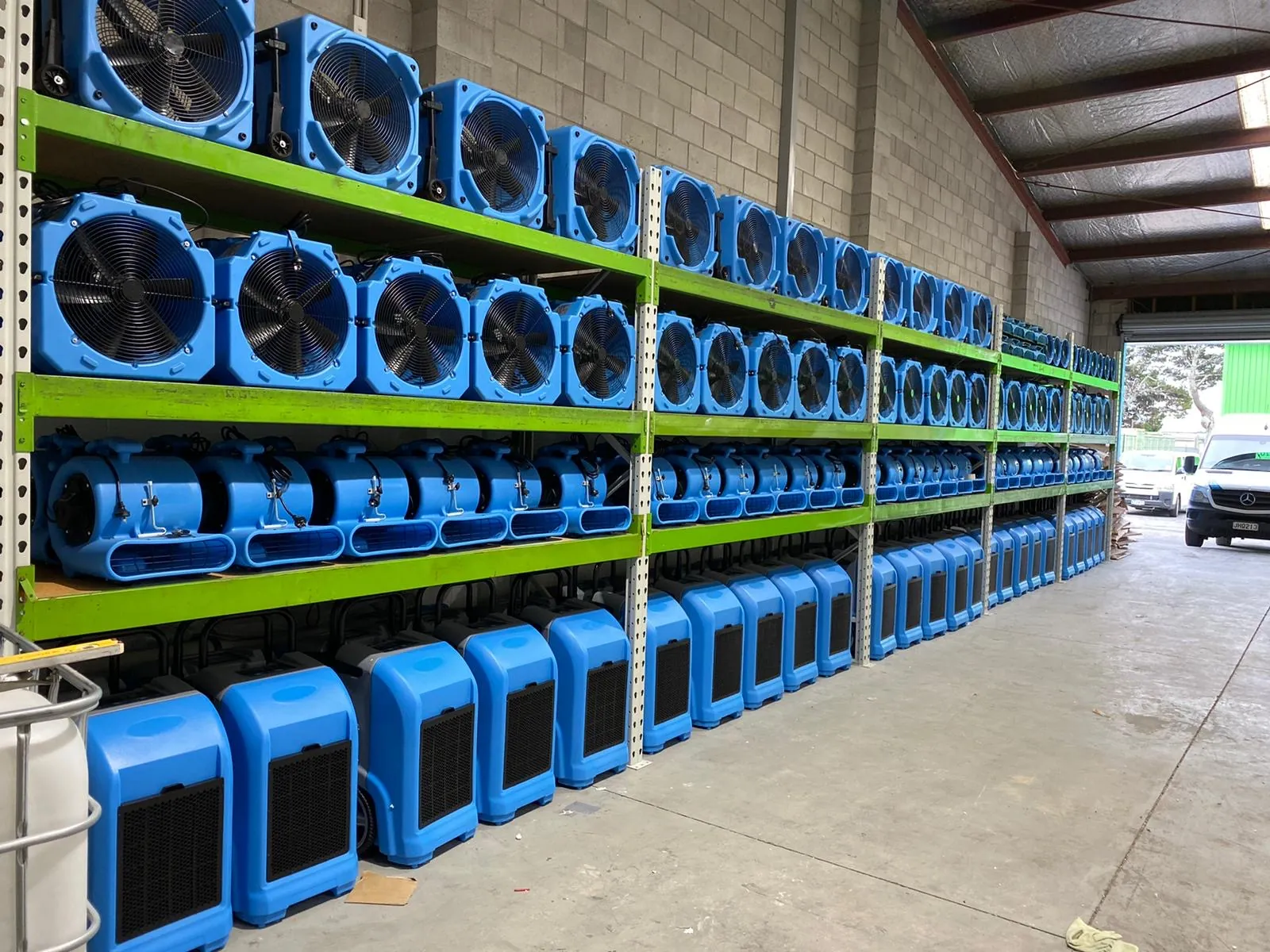

Auckland’s humid weather can leave a rain-affected room damp long after the visible water has gone. Mould prevention starts with finding the moisture source, drying the right materials and avoiding shortcuts that trap dampness.
Find where the moisture is coming from
Check around windows, roof penetrations, exterior doors, ceiling stains, plumbing points and areas where wind-driven rain may have entered. A musty smell or bubbling paint can point to dampness that is not visible on the surface.
Remove standing water and increase safe airflow
Move wet items away from walls where it is safe, wipe hard surfaces and use normal ventilation to help moisture leave the room. Do not direct fans across suspected sewage or contaminated water, and do not use electrical equipment in a wet area.
Dry porous materials properly
Carpet, underlay, wall linings, skirtings, insulation and cabinetry can retain moisture. A surface may feel dry while the material beneath remains damp. Moisture mapping helps distinguish materials that can be dried from those that require controlled removal.
Do not cover the evidence
Hold off on repainting, replacing flooring or sealing a damp wall until the source has been addressed and the material has been assessed. Keep photos and notes if the rain event has caused property damage that may need to be discussed with an insurer.
When to arrange help
Arrange a professional assessment when dampness persists, the source is unclear, mould is spreading, or the affected area includes hidden cavities or multiple rooms. The aim is to identify the moisture, document the affected materials and set out a practical drying or remediation path.
Watch humidity as well as visible dampness
Rain-affected rooms can remain humid even after surfaces look dry. Condensation on windows, a persistent musty smell and soft or swollen finishes are useful warning signs. Keep furniture slightly away from affected walls while drying and avoid packing cupboards tightly until the moisture source has been resolved.
Check the materials people often miss
Inspect carpet edges, underlay, skirting junctions, the back of wardrobes, window reveals and the underside of accessible cabinetry. Ceiling stains can indicate moisture above the lining, while bubbling paint can conceal damp plasterboard. Do not cut into walls or ceilings where electrical services, asbestos-containing materials or contaminated water may be present.
Clean only after the moisture problem is controlled
Surface wiping alone will not solve mould that is being fed by an active leak or wet building material. Avoid painting over staining or using strong chemical mixtures. If visible growth is limited, seek suitable cleaning guidance for the surface involved; if growth is spreading, recurrent or associated with hidden dampness, arrange an assessment of both the moisture source and affected materials.
Build a rain-event checklist
- Photograph new stains, leaks and affected contents.
- Record the rooms and time moisture was first noticed.
- Check roof, plumbing and exterior entry points from safe locations.
- Keep children and pets away from mould or contaminated water.
- Confirm materials are dry before reinstating finishes.
Prevention is most effective when the source, moisture extent and drying result are treated as three separate questions.
Need help after water damage?
For urgent extraction, moisture assessment and drying support across Auckland, call iDry's 24/7 emergency line.
Call 0800 452 199 Send details