Auckland homes are vulnerable to mould because warmth, humidity and hidden water leaks create ideal growth conditions. A small patch on a bathroom ceiling may look cosmetic, but mould on walls, carpet, timber framing or inside wardrobes can signal trapped moisture. Safe mould remediation Auckland work is not just wiping away staining; it is finding the source, controlling spores, removing contaminated material and preventing it from coming back.
This guide is for homeowners, landlords and property managers who have found black mould, musty odours or recurring dampness after rain, plumbing leaks or flood damage. It explains what to check, what you can safely do yourself, and when to call iDry Restorations for certified mould removal in Auckland.
Why mould grows in Auckland properties
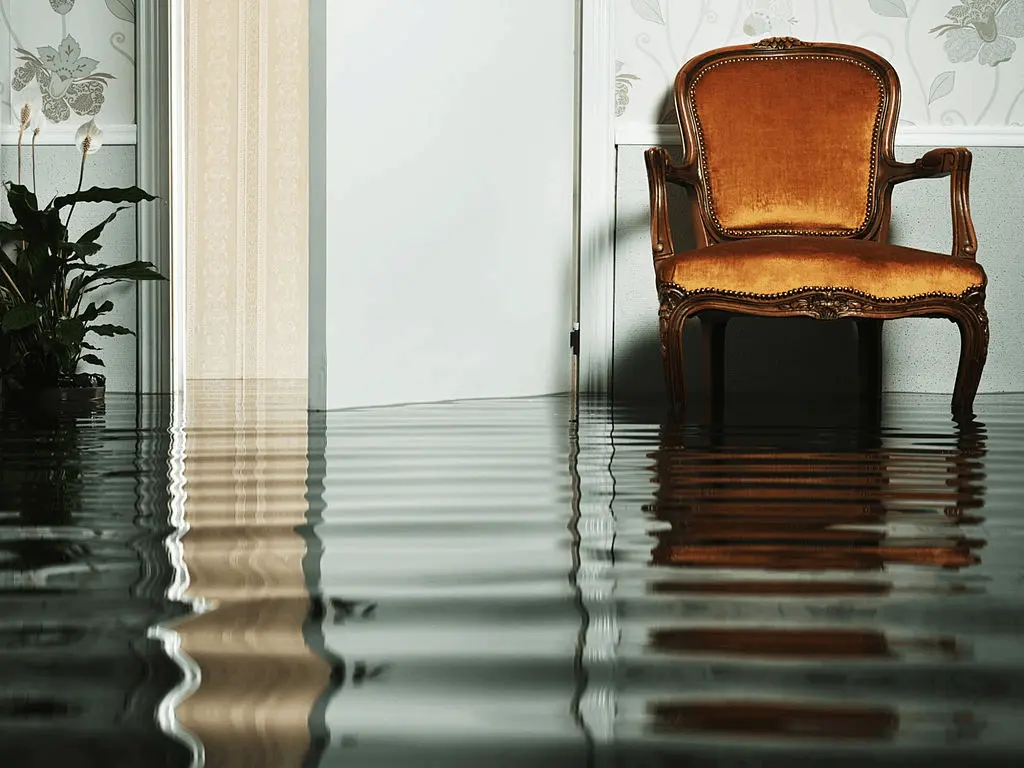
Mould needs moisture, a food source and time. Common Auckland causes include roof leaks, overflowing gutters, stormwater ingress, burst pipes, shower leaks, wet carpet, poor subfloor ventilation, condensation on cold windows, and drying clothes indoors without enough airflow. After a flood restoration or water damage event, moisture can remain behind skirting, under vinyl, inside insulation or beneath carpet even when surfaces look dry.
That is why recurring mould should be treated as a moisture investigation first. If the underlying humidity or leak is not fixed, cleaning will only remove the visible growth temporarily.
Health risks: when mould becomes more than a stain
Mould releases spores and fragments that can irritate the eyes, nose, throat and skin. For some people it may trigger asthma symptoms, coughing, sinus issues, headaches or allergy flare-ups. Babies, older people, pregnant occupants, and anyone with respiratory illness or a weakened immune system deserve extra caution.
Not all dark mould is the same species, and colour alone does not prove toxicity. The practical rule is simpler: avoid disturbing heavy or hidden mould, do not dry-brush it, and do not run fans across it. Uncontrolled airflow can spread contamination into cleaner rooms and HVAC pathways.
DIY cleaning vs professional mould remediation
DIY cleaning may be reasonable for a very small area of surface mould caused by condensation on a non-porous surface, such as tiles or painted trim, provided the person cleaning can wear gloves, eye protection and a suitable mask. Even then, ventilation and moisture control matter more than harsh chemicals.
Professional remediation is the safer choice when the affected area is larger than a small patch, keeps returning, smells musty, follows flooding, involves sewage or contaminated water, appears on porous materials, or may be inside wall cavities. Plasterboard, carpet underlay, insulation and untreated timber can hold contamination below the surface. Bleach may lighten staining but often fails to solve the moisture or embedded growth problem.
The IICRC-informed remediation process
iDry follows industry best practice aligned with IICRC restoration principles. The first step is assessment: identify the water source, map moisture with meters and thermal imaging where appropriate, and decide whether contents or building materials can be cleaned, dried or must be removed.
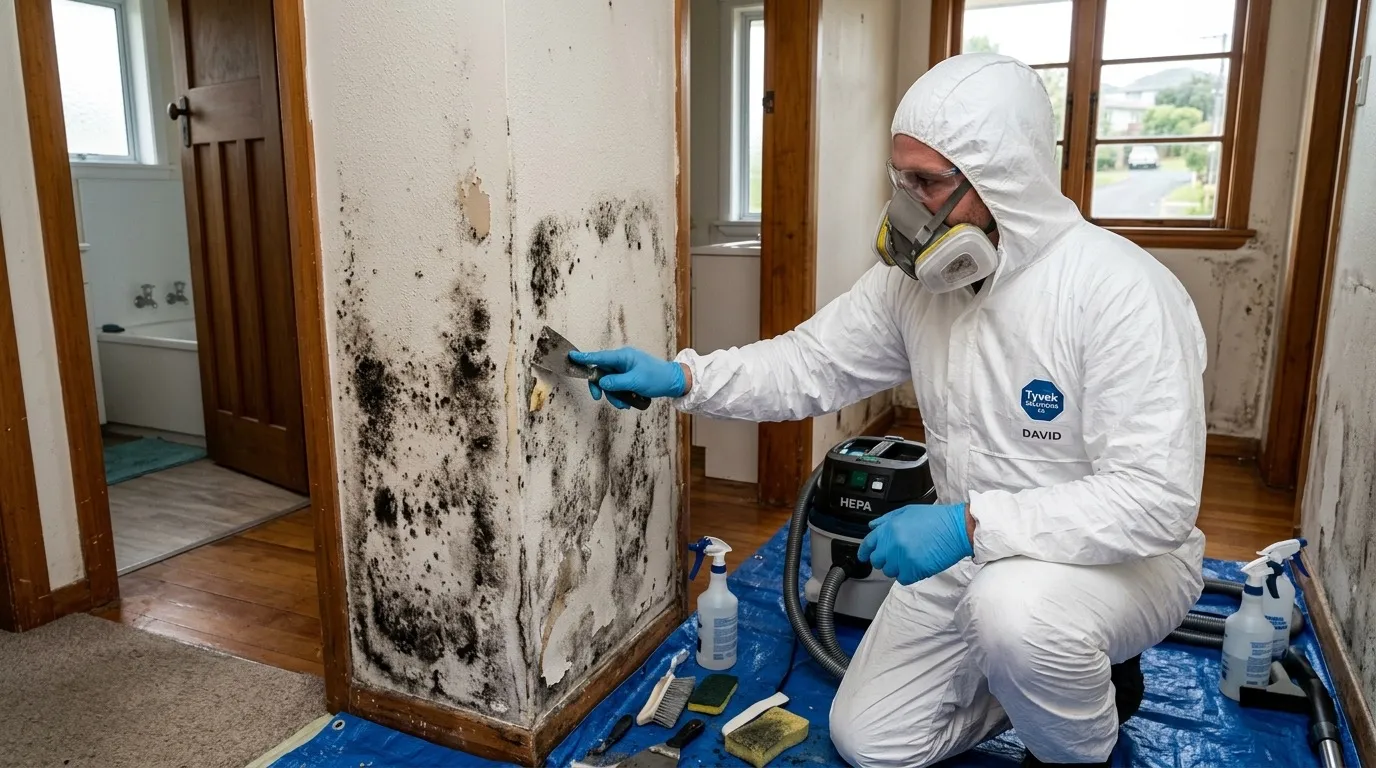
Next comes containment. Technicians use PPE, controlled work zones, negative air where needed, HEPA filtration and careful handling to reduce cross-contamination. Affected porous materials may be removed and bagged safely. Cleanable surfaces are physically cleaned, HEPA-vacuumed and treated with suitable antimicrobial products where appropriate.
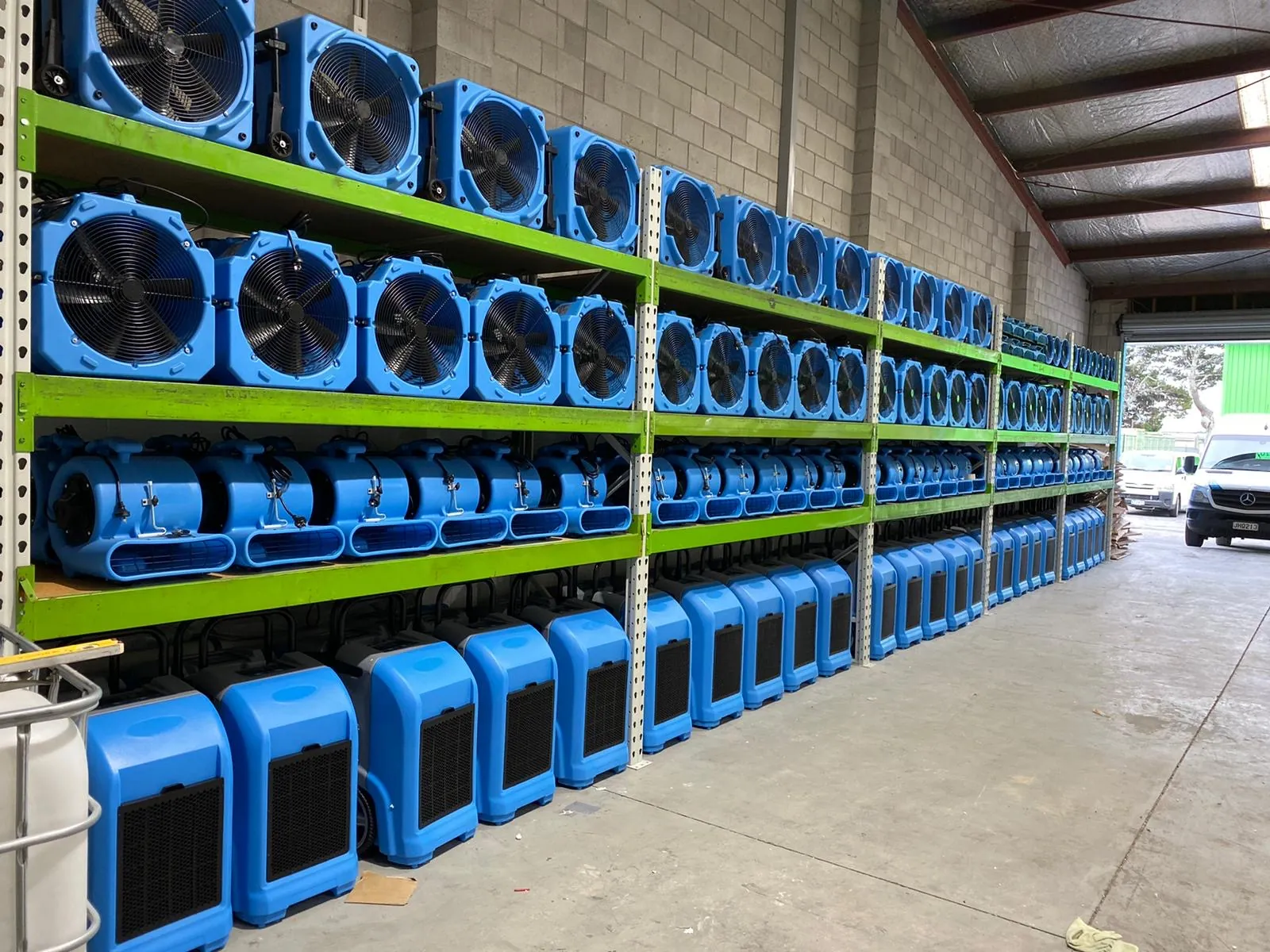
The final stage is drying and verification. Commercial dehumidifiers and air movers are used only after containment and source control. Moisture readings, photos and reports help confirm the property has been returned to a safer condition and provide useful evidence for landlords, tenants or insurers.
Insurance claims and documentation
Insurance cover depends on the cause. Sudden and accidental water damage, such as a burst pipe, may be treated differently from long-term condensation, maintenance issues or slow leaks. Before throwing away affected materials, photograph the rooms, close-ups, the suspected source and any damaged contents. Keep invoices for plumbing, leak detection, emergency drying and temporary accommodation.
Ask your remediation team for written moisture readings, scope notes and progress photos. Clear documentation helps your insurer understand what happened, what was done to prevent further damage and why particular materials needed cleaning or removal.
If you are renting or managing a rental, report mould and moisture issues promptly and keep communication in writing. Tenants should avoid disturbing large mould areas, while landlords and property managers should arrange leak checks and professional assessment when the cause is unclear. Early action protects occupants, limits damage to building materials and reduces the chance of a small maintenance issue becoming a major remediation project.
Frequently asked questions
How fast should mould be remediated?
Act as soon as you find it, especially after water damage. Mould can develop quickly in damp materials, and Auckland humidity can slow natural drying.
Can I stay in the house during remediation?
Sometimes, but it depends on the size, location and occupants' health. Larger jobs may need containment or temporary relocation from affected rooms.
Will mould come back after professional cleaning?
It should not return if the moisture source is fixed and the area is dried properly. If humidity, leaks or ventilation problems remain, mould can grow again.
iDry Restorations — Auckland Mould Remediation Specialists
Need safe mould removal or urgent moisture assessment? Call 0800 452 199 or book online. Our Auckland team can inspect, contain, clean, dry and document the job for your property or insurance claim.