One of the most common questions we get asked — by landlords doing due diligence, by people buying a home with an uncertain history, or by tenants who've heard a neighbour's rumour — is some version of "how long does meth stay in a house?" The short answer is: much longer than most people expect, and it doesn't just fade away with time, fresh paint, or an open window. Meth residue bonds to porous surfaces and can remain chemically present for years without proper decontamination.
This guide from the team at iDry Restorations explains what actually happens to contamination over time, why "airing it out" or a quick clean doesn't solve the underlying problem, and what a genuine decontamination process involves.
Why Meth Residue Doesn't Just Go Away
Methamphetamine residue — whether from smoking, cooking, or extended use in a property — settles into porous materials: carpet and underlay, curtains and soft furnishings, gib board, ceiling and wall insulation, and even timber framing over time. Unlike a spill you can wipe up, these residues bond into the material itself rather than sitting on the surface.
Painting over affected walls, or replacing carpet on the surface without addressing what's underneath — insulation, wall cavities, subfloor — is one of the most common mistakes property owners make. It looks clean, and it may even smell clean, without actually removing the contamination sitting in the materials behind it.
What the NZS 8510:2017 Standard Says
NZS 8510:2017 is New Zealand's standard for methamphetamine testing and decontamination methods, while the operative contamination limit — 15 µg/100cm² — is set by the Residential Tenancies (Managing Methamphetamine Contamination) Regulations 2026. The standard exists precisely because contamination isn't something you can eyeball — you cannot tell by looking at a wall, or by smell, whether a property sits above or below that threshold.
That's why the standard sets out a structured approach: identifying which surfaces are affected, determining whether they're porous (and need to be removed) or hard (and can be treated in place), and bringing the property back below the safe threshold through a defined decontamination process — not just general cleaning.
How Long Does Contamination Actually Last?
Without contamination-specific decontamination work, residue can remain present and detectable for years. There's no natural "expiry" on meth residue the way there might be with, say, a smell dissipating over a few weeks. Ventilation, time, and general household cleaning reduce visible signs and odour, but they do not reliably bring porous-material contamination down to a safe level.
The core issue: Contamination doesn't announce itself. A property can look, smell, and feel completely normal while still carrying residue levels well above the regulated 15 µg/100cm² limit in carpet, insulation, or wall cavities.
This is the core reason a property with a known or suspected history needs proper decontamination rather than a "wait and see" approach. Time alone does not solve the problem.
Suspect Meth Contamination in an Auckland Property?
iDry Restorations provides work informed by the applicable project requirements and current guidance meth decontamination across Auckland. Our IICRC-certified team can assess the property and provide a clear scope of works.
Call 0800 452 199 Get a Free QuoteWhat Real Decontamination Involves
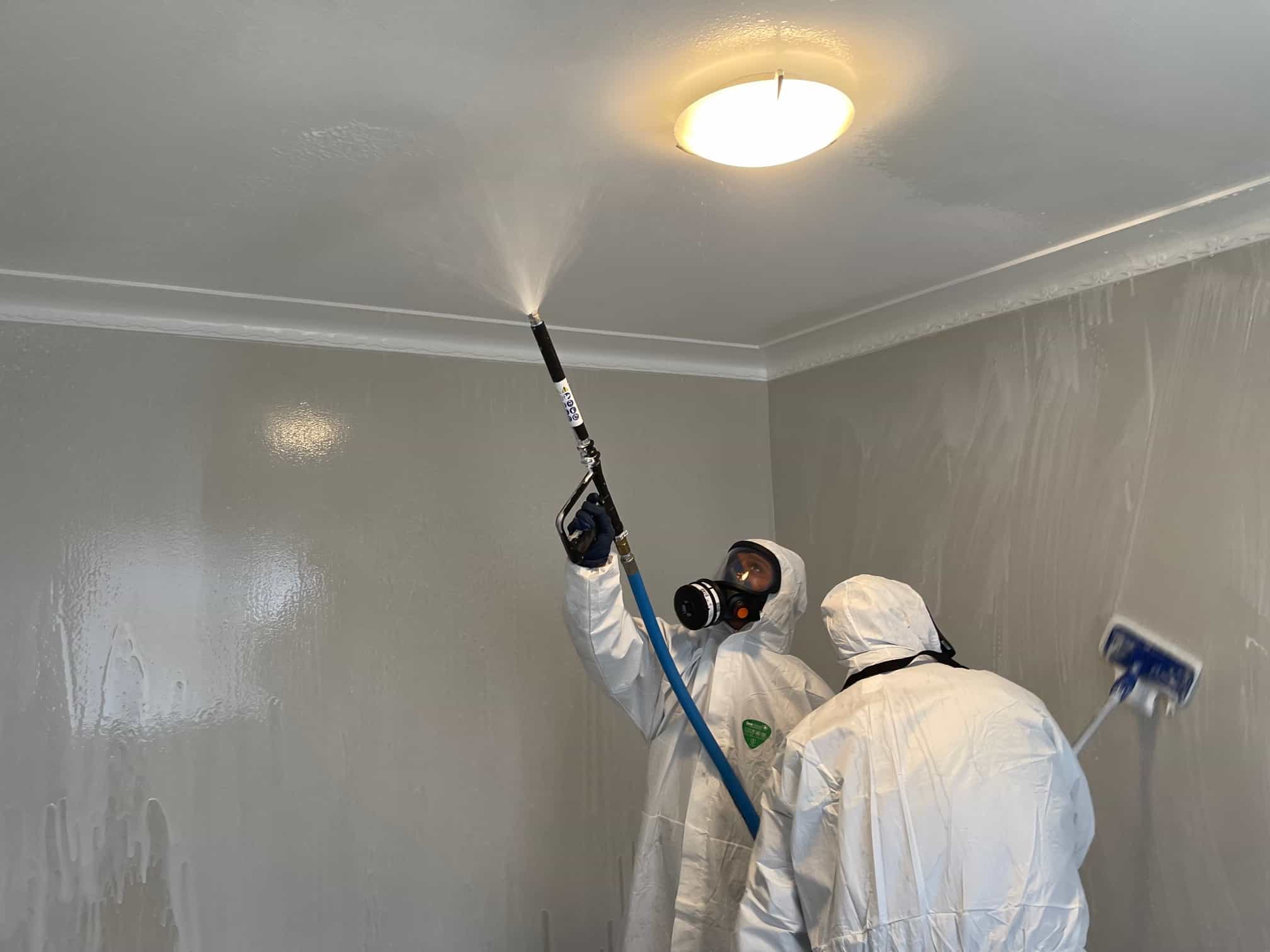
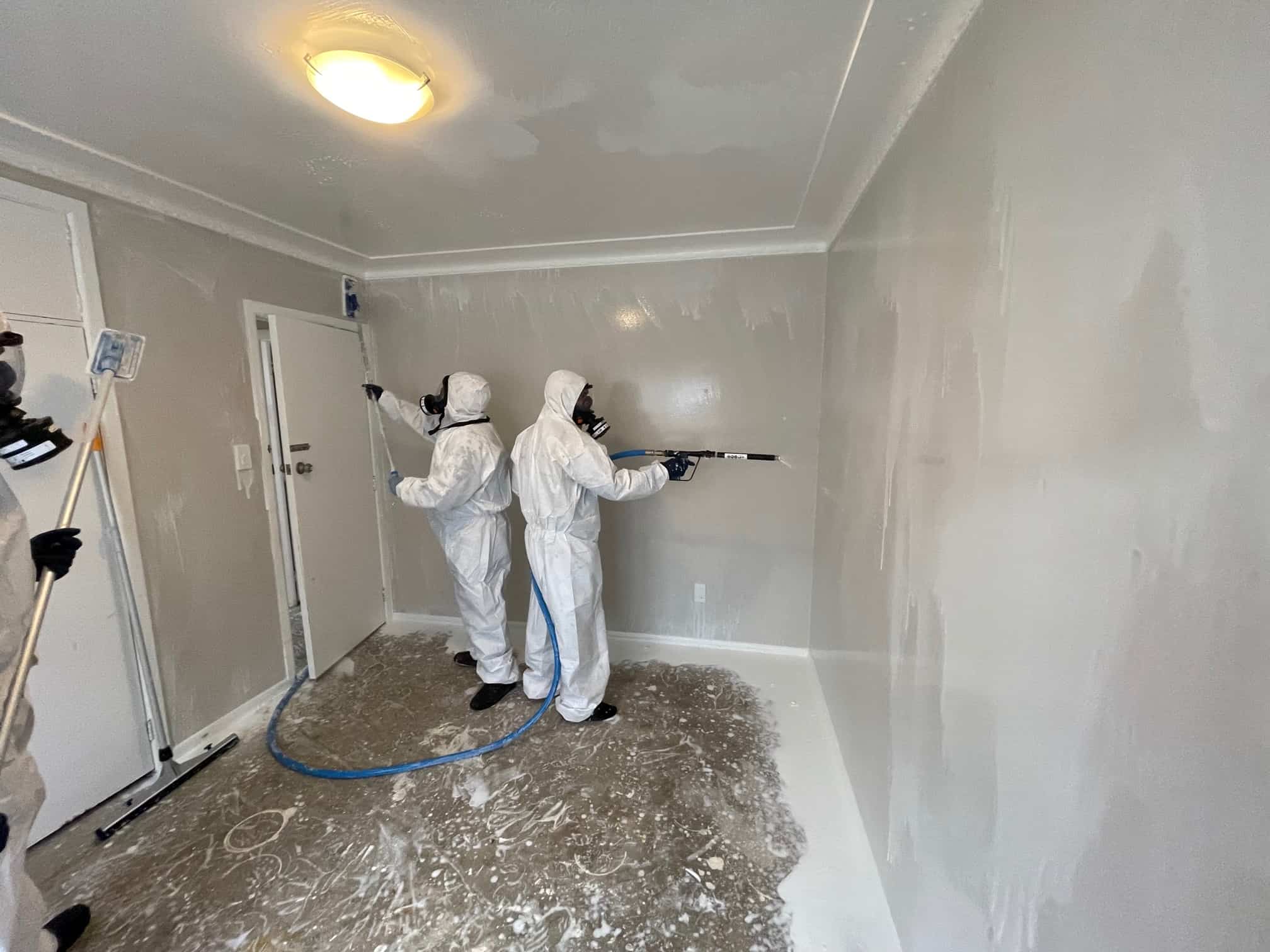
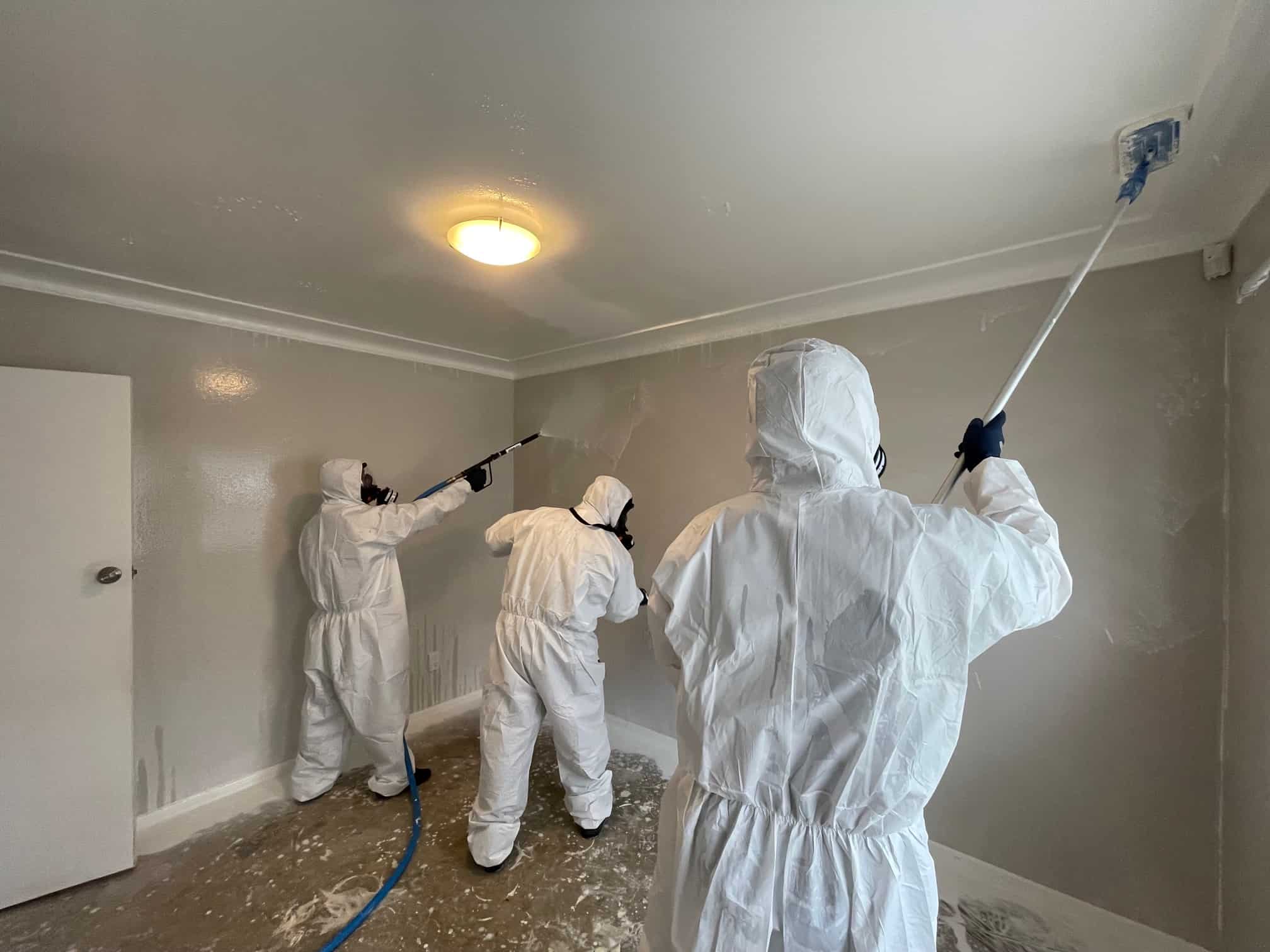
iDry's process starts with assessing which materials are porous and need removal or replacement — carpet, curtains, soft furnishings, gib board, insulation — versus which hard surfaces, like benchtops, painted walls, and hard flooring, can be chemically treated and cleaned in place. From there, we work through a structured decontamination process using NZS 8510:2017 methods, targeting the 15 µg/100cm² limit set by the 2026 tenancy regulations, followed by encapsulation and sealing of treated surfaces.
To be explicit about scope: iDry carries out decontamination and remediation work. iDry does not conduct meth testing or sampling. Where a landlord, homeowner, or buyer needs a contamination reading before deciding on next steps, or independent verification once decontamination is complete, iDry can refer clients to an independent accredited testing provider — the testing itself is always performed by them, never by iDry.
What This Means If You're Buying, Renting, or Managing a Property
For buyers — a property with an uncertain or concerning history is worth having properly assessed before settlement, through an independent testing provider, rather than assuming a clean appearance means no contamination.
For landlords and property managers — routine end-of-tenancy checks and prompt action on any red flags (unusual smells, tenant reports, staining) reduce the risk of contamination sitting undetected for years.
For anyone with a confirmed or suspected contamination issue — proper decontamination, not surface cleaning, is the only path that reliably resolves it. iDry works across every region of Auckland, including Central Auckland, South Auckland, West Auckland, and the North Shore, and as Insurance Claim Specialists who've handled claims with all major NZ insurers, we document decontamination work to the standard insurers require.
Work informed by NZS 8510:2017 and current project requirements Decontamination — Talk to Our Team Today
iDry Restorations provides meth decontamination across all of Auckland. IICRC-certified. We work with your insurer. Available 24/7.
Call 0800 452 199 Get a Free Quote