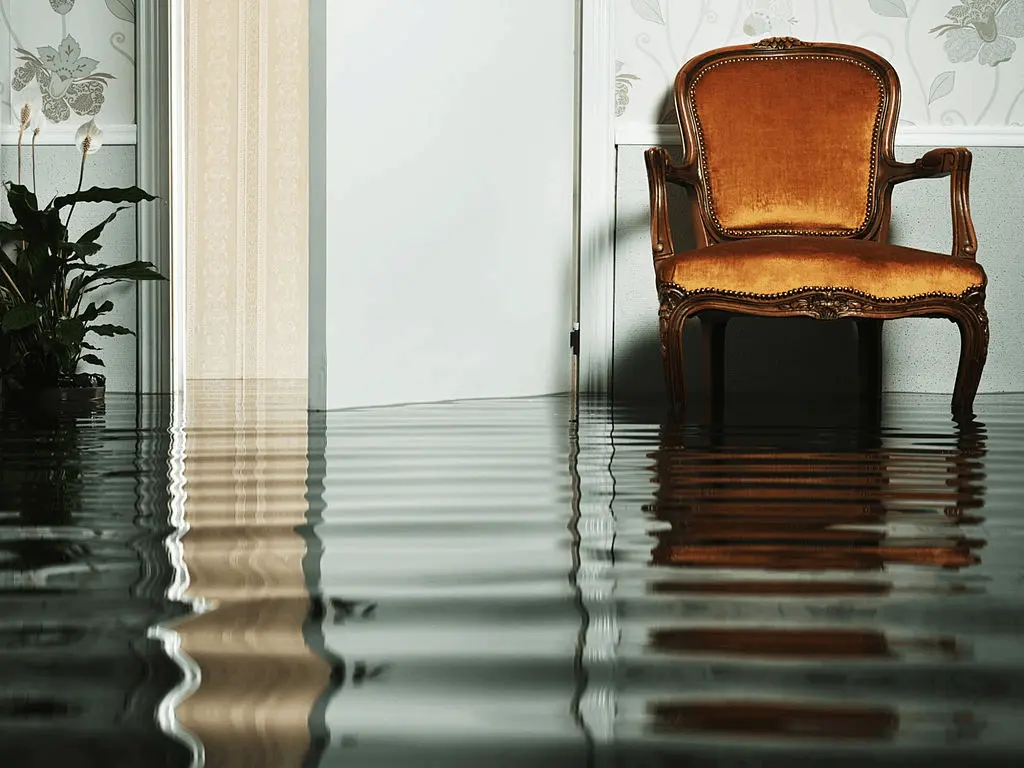
The first hour after floodwater enters an Auckland home is about safety, information and limiting further damage—not rushing into contaminated water. This practical guide separates what a homeowner can do now from the assessment and drying work that should follow.
1. Make the area safe
Keep people and pets out of standing water until electrical hazards, sewage and unstable materials have been considered. If water is near power points or appliances, switch off electricity only if you can do so without entering water; otherwise contact the appropriate emergency service or utility provider.
2. Stop the source only when it is safe
For a burst pipe or overflowing appliance, close the local isolation valve if it is accessible without crossing unsafe areas. Stormwater and surface flooding cannot be stopped from inside the house, so focus on keeping people safe and preventing additional indoor water entry where practical.
3. Record the condition before moving things
Photograph rooms, affected walls, flooring, cabinetry, ceilings and damaged belongings. Note when the water arrived, where it came from and whether it may have contacted soil or wastewater. Keep receipts and avoid discarding materials before an insurer or assessor has had an opportunity to inspect, unless they are an immediate health hazard.
4. Start a drying assessment
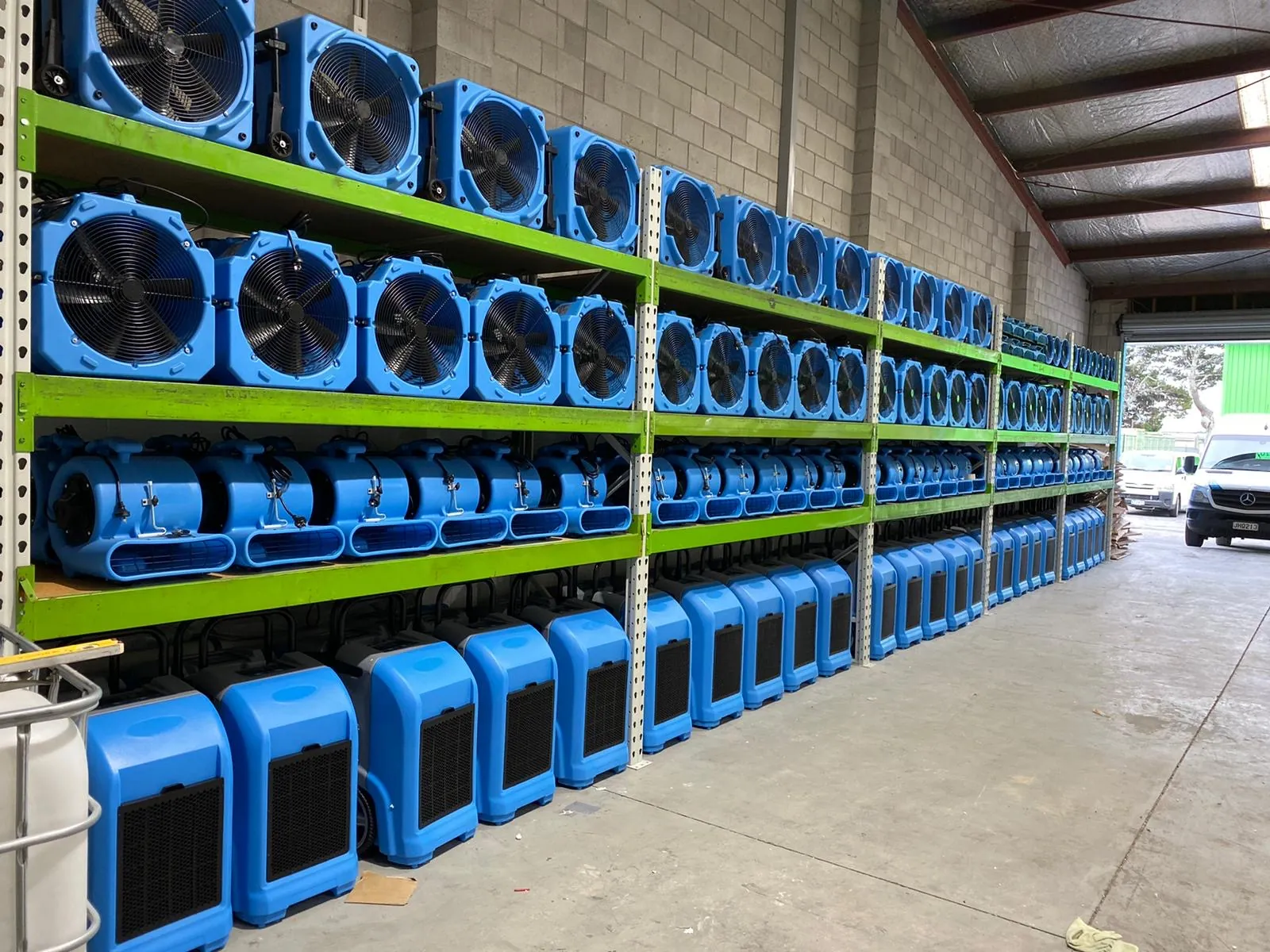
Visible water is only part of the problem. Moisture can remain in carpet underlay, wall linings, skirtings, cabinetry and floor cavities. An Auckland restoration assessment can map affected materials, identify what can be dried in place and document areas that need controlled removal or further investigation.
What not to do
- Do not use electrical equipment in wet areas.
- Do not mix cleaning chemicals or disturb suspected sewage contamination.
- Do not seal damp materials behind paint, flooring or furniture.
- Do not assume a dry surface means the structure is dry.
Once the immediate risk is controlled, a clear moisture map and drying plan provide a safer basis for the next decision.
Information to have ready when you call
Have the property address, affected rooms, likely source, approximate water depth and time discovered ready. Explain whether water is still entering, whether power has been isolated, and whether anyone has entered the affected area. Mention apartments, shared walls, suspended timber floors or inaccessible subfloor spaces because these can change the inspection approach.
Separate urgent mitigation from permanent repair
Emergency extraction and controlled drying are not the same as final reinstatement. The initial aim is to stop continuing damage, establish the moisture extent and stabilise conditions. Permanent flooring, plasterboard, paint and cabinetry decisions should follow evidence about what dried successfully and what could not be retained.
Keep a simple incident record
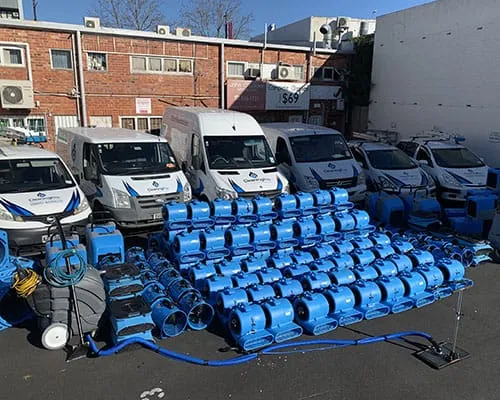
Write a short timeline of the discovery, safety actions, calls made and equipment installed. Photograph moisture damage before and during drying without entering unsafe areas. A clear record helps property owners, managers, insurers and contractors understand what changed and when.
Questions to ask the restoration team
- Which materials were tested and where was moisture found?
- What is the proposed extraction and drying approach?
- How will progress be monitored and documented?
- Are any materials contaminated or unsuitable for drying in place?
- What decisions require insurer, landlord or body-corporate approval?
Need help after water damage?
For urgent extraction, moisture assessment and drying support across Auckland, call iDry's 24/7 emergency line.
Call 0800 452 199 Send details