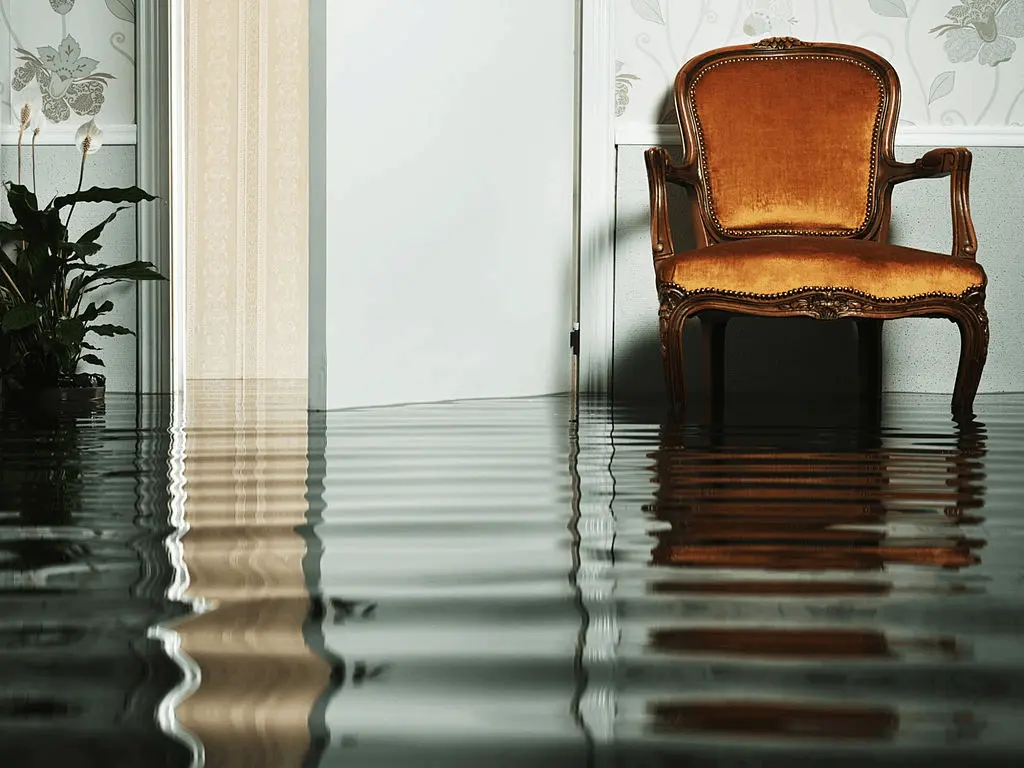
When floodwaters recede from your Auckland home, the shock can leave you feeling paralysed. Whether it was a sudden downpour that overwhelmed the stormwater system in your Onehunga neighbourhood or a burst pipe that flooded your Remuera villa overnight, the first hours after a flood are absolutely critical. What you do — and what you avoid doing — in the first 24 to 48 hours can mean the difference between a manageable restoration and tens of thousands of dollars in additional damage.
As Auckland's leading flood restoration specialists, we have responded to hundreds of flood emergencies across the region. This guide shares everything we have learned about protecting your home, your health, and your insurance claim after a flooding event.
Step 1: Prioritise Your Safety Above Everything Else
Before you even think about salvaging possessions or mopping up water, your number one priority must be the safety of yourself and your family. Floodwater is far more dangerous than most people realise.
Electrical Hazards
Water and electricity are a lethal combination. Before entering any flooded area of your home, you must ensure the power is switched off at the mains. If your switchboard is located in a flooded area or you cannot safely reach it, do not attempt to turn it off yourself. Instead, contact your electricity provider or call an electrician. Auckland's Vector network can be reached on 0508 832 867 for power-related emergencies.
Safety tip: Never touch electrical outlets, appliances, or wiring while standing in water or on a wet surface. Even once the water has receded, electrical components that were submerged must be inspected by a qualified electrician before the power is restored.
Gas Leaks
If you smell gas at any point, leave the property immediately and call the Gas Emergency Service on 0800 111 323. Do not operate any electrical switches, light matches, or use your mobile phone inside the property until the gas has been cleared.
Structural Damage
Floodwaters can undermine foundations, warp framing, and weaken structural elements. Before entering your home, do a visual inspection from outside. Look for:
- Visible cracks in the foundation or exterior walls
- Doors or windows that appear misaligned or jammed
- Sagging ceilings or rooflines
- Leaning walls or fences
- Sinkholes or significant ground erosion around the property
If you notice any of these signs, do not enter. Contact Auckland Council's building inspection team or a structural engineer before re-entering your home.
Contaminated Floodwater
Floodwater in Auckland is rarely clean. Stormwater flooding often carries sewage overflow, agricultural runoff, industrial chemicals, and general debris. This water is classified as either grey water (moderately contaminated) or black water (severely contaminated with sewage or toxic substances). If you must enter a flooded area, wear:
- Rubber boots (gumboots)
- Waterproof gloves
- A face mask or P2/N95 respirator
- Protective clothing that covers your skin
Avoid touching your face, and wash your hands thoroughly with antibacterial soap after any contact with floodwater.
Step 2: Contact Your Insurance Provider Immediately
Once you and your family are safe, your next call should be to your insurance company. Most home and contents policies in New Zealand cover flood damage, but there are important nuances. Timely notification is essential for a smooth claims process.
What to Tell Your Insurer
- The date and time the flooding occurred
- The apparent cause (storm, burst pipe, overflowing drain, etc.)
- The areas of your home affected
- A general description of the damage you can see
- Whether the home is safe to occupy
Your insurer will assign a claim number and likely send an assessor. However, do not wait for the assessor before taking emergency action. Insurers expect you to take reasonable steps to prevent further damage — this is actually a condition of most policies. What they do require is thorough documentation before you begin any cleanup.
For a detailed walkthrough of the insurance claims process, read our guide on how to file an insurance claim for flood damage in NZ.
Step 3: Document Everything Before You Touch Anything
This step is absolutely vital for your insurance claim. Before you move any items, remove any water, or begin any cleanup, you need to create a comprehensive record of the damage.
Photography and Video
Use your smartphone to capture:
- Wide-angle shots of every affected room showing the overall extent of damage
- Close-up photos of specific damage to walls, floors, furniture, and appliances
- Water level marks on walls — these tell the story of how high the water reached
- Video walkthroughs of each room, narrating what you see as you go
- Exterior damage including landscaping, fencing, driveways, and the building exterior
Pro tip: Place a ruler or tape measure next to water marks on walls when photographing. This gives your insurer an exact measurement of water depth, which directly affects how the damage is categorised and what your claim covers.
Written Inventory
Create a detailed list of every damaged item, including:
- Description of the item
- Approximate age and original purchase price
- The extent of the damage (partially damaged, destroyed, etc.)
- Brand and model number where applicable (especially for appliances and electronics)
Keep all receipts for any emergency spending, including temporary accommodation, takeaway meals, cleaning supplies, or skip bin hire. Your insurer may reimburse these costs under your policy's "additional living expenses" cover.
Step 4: Stop the Water Source (If Possible)
If the flooding is caused by something within your control, take action to stop it:
- Burst pipe: Turn off the water mains immediately. The toby (mains valve) is usually located near the front boundary of your property, often near the footpath. You may need a toby key to turn it.
- Overflowing hot water cylinder: Turn off the water supply to the cylinder and switch off the power to it at the switchboard.
- Blocked drain: If safe to do so, clear visible debris from exterior drains and downpipes to help water flow away from the house.
- Storm flooding: Unfortunately, there is little you can do to stop stormwater. Focus on protecting what you can by moving valuables to higher ground within the house.
Step 5: Begin Emergency Water Removal
Once you have documented the damage and it is safe to begin, start removing standing water as quickly as possible. Every hour that water sits in your home increases the damage exponentially.
What You Can Do Yourself
- Mop and bucket for small areas of shallow water
- Wet/dry vacuum for larger volumes (never use a standard household vacuum)
- Push brooms to sweep water towards exterior doors
- Towels and old linen to soak up residual moisture
When You Need Professional Help
Call a professional flood restoration team immediately if:
- The water is deeper than a few centimetres
- The floodwater is from an external or sewage source (grey or black water)
- Multiple rooms are affected
- Water has been sitting for more than 24 hours
- You can see or smell mould
- Carpet, underlay, or insulation is saturated
- The subfloor or wall cavities have been affected
Professional restoration companies like iDry Restorations use industrial-grade submersible pumps, truck-mounted extractors, and commercial dehumidifiers that remove water and moisture far more effectively than household equipment. Our team can be on-site anywhere in Auckland within 60 minutes of your call.
Step 6: Start the Drying Process
Removing standing water is only the beginning. The real challenge is eliminating moisture that has been absorbed into building materials — timber framing, plasterboard (GIB), carpet underlay, insulation, and concrete. This hidden moisture is what causes the most long-term damage if left untreated.
Improve Air Circulation
- Open all windows and doors (weather permitting) to promote cross-ventilation
- Use fans to keep air moving across wet surfaces
- Run dehumidifiers in every affected room — domestic models help, but professional units are far more powerful
- Remove wet rugs, mats, and loose furnishings to dry separately outdoors
Auckland's Humidity Challenge
Auckland's subtropical climate presents a unique challenge for flood drying. With average humidity levels often exceeding 75-80%, the air itself is already saturated with moisture. This means natural drying is significantly slower than in drier regions. Professional-grade dehumidifiers and air movers are not a luxury in Auckland — they are a necessity.
Without proper drying, mould can begin colonising surfaces within 24 to 48 hours. Once mould takes hold, you are looking at a much more complex and costly remediation process on top of the flood damage itself.
Step 7: Protect Salvageable Items
While some items will be beyond saving, many can be rescued if you act quickly:
Items to Remove and Dry Immediately
- Documents and photographs: Separate wet pages carefully and lay them flat to air dry, or freeze them in ziplock bags to prevent further deterioration until they can be professionally restored
- Clothing and soft furnishings: Wash in hot water with disinfectant as soon as possible
- Wooden furniture: Move to a dry area, wipe down, and allow to dry slowly (rapid drying causes cracking)
- Electronics: Do not attempt to turn on any electronics that were submerged. Unplug them and leave them to dry for at least 48 hours before having them inspected
Items That Typically Cannot Be Saved
- Carpet underlay (once saturated, it harbours bacteria and cannot be adequately cleaned)
- Mattresses and pillows that were submerged
- Particleboard furniture (MDF and chipboard disintegrate when waterlogged)
- Food items that came into contact with floodwater
- Insulation materials (batts and loose-fill) that were wetted
Step 8: Prevent Mould Growth
Mould is the silent enemy after any flood event in Auckland. Our warm, humid climate creates perfect conditions for mould to thrive, and it can begin growing on damp surfaces within 24 hours.
Immediate Mould Prevention Steps
- Keep dehumidifiers and fans running continuously until surfaces are thoroughly dry
- Remove wet GIB (plasterboard) if it has been saturated — it cannot be adequately dried in place and becomes a mould breeding ground
- Pull up saturated carpet and underlay to expose the subfloor for drying
- Clean all hard surfaces that contacted floodwater with a mixture of warm water and household detergent
- Do not paint or seal over damp surfaces — this traps moisture inside and guarantees mould growth
Important: If you see visible mould or detect a musty odour at any point during cleanup, stop what you are doing and contact a professional mould remediation team. Disturbing mould without proper containment can spread spores throughout your home and create a much larger problem.
Step 9: Avoid These Common Mistakes
In the stress and urgency of flood recovery, we see Auckland homeowners making the same costly mistakes time and again:
- Delaying action: Every hour counts. The longer water and moisture sit in your home, the worse the damage becomes and the more expensive the restoration.
- Throwing everything away: While some items must be discarded, many can be professionally restored. Do not skip bins everything before your insurer has assessed the damage.
- Using household fans only: Ceiling fans and box fans help with air circulation, but they cannot replace commercial dehumidifiers for drawing moisture from building materials.
- Ignoring wall cavities and subfloors: The water you can see is only part of the problem. Moisture wicks into wall framing, insulation, and subfloor areas. Professional moisture detection equipment is needed to find and address these hidden pockets.
- Cleaning with bleach alone: While bleach kills surface mould, it does not penetrate porous materials and does not address the root cause of moisture. Professional antimicrobial treatments are far more effective.
- Turning the heating up high: Excessive heat without proper dehumidification actually makes drying less efficient and can accelerate mould growth. Controlled, consistent drying with professional equipment is the correct approach.
- Not checking the subfloor: Auckland homes, particularly older villas and bungalows, often have timber subfloors with limited ventilation. Floodwater in the subfloor space can cause rot, piles damage, and ongoing mould issues if not addressed.
Step 10: Know When to Call the Professionals
There is no shame in calling for help. In fact, calling a professional flood restoration company early almost always saves money compared to attempting a DIY approach that proves inadequate.
At iDry Restorations, our IICRC-certified technicians arrive with:
- Industrial submersible pumps and truck-mounted water extractors
- Commercial-grade dehumidifiers and air movers (each unit processes hundreds of litres per day)
- Thermal imaging cameras and pin/pinless moisture metres to detect hidden moisture
- Antimicrobial and antifungal treatment solutions
- Complete documentation for your insurance claim
We work directly with all major New Zealand insurers, including IAG (State, AMI, NZI), Vero, Tower, and AA Insurance, handling the documentation and communication so you can focus on your family.
Auckland-Specific Resources
Keep these contacts handy during and after a flood event in Auckland:
- Auckland Council emergency line: 09 301 0101 (for stormwater and infrastructure emergencies)
- Civil Defence Auckland: 0800 22 22 00
- Vector (power emergencies): 0508 832 867
- Gas emergencies: 0800 111 323
- Watercare (water supply): 09 442 2222
- iDry Restorations (24/7 flood restoration): 0800 452 199
Auckland Council also provides information on flood-prone areas, stormwater management, and civil defence preparedness through their website. If you are in a known flood risk area — such as parts of Westmere, Grey Lynn, Mt Roskill, Onehunga, or low-lying areas of the North Shore — having an emergency plan in place before flooding occurs can make all the difference.
The Bottom Line: Act Fast, Act Smart
Flooding is one of the most stressful events an Auckland homeowner can face. But by following these steps — prioritising safety, documenting thoroughly, removing water quickly, and calling in professional help when needed — you give your home the best possible chance of a full recovery.
Remember: the clock starts ticking the moment floodwater enters your home. Every hour of delay means more damage, more cost, and a longer road to recovery. If you are dealing with flood damage right now, do not wait. Contact iDry Restorations immediately — our emergency response team is available 24 hours a day, 7 days a week, and we can be on-site anywhere in Auckland within 60 minutes.
Beyond flooding, iDry Restorations provides a full range of disaster restoration services across Auckland, including fire damage restoration, mould remediation, meth decontamination, and biohazard cleaning for contaminated properties.