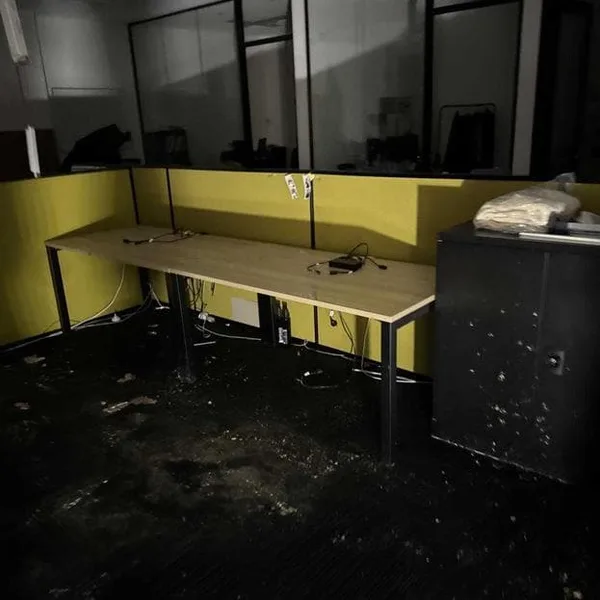
Water damage does not always announce itself with a dramatic flood or a burst pipe. In many Auckland properties, the most destructive water damage is the kind you cannot see — hidden behind walls, beneath flooring, and inside ceiling cavities where it silently deteriorates your home's structure, encourages mould growth, and drives up repair costs with every passing week.
As Auckland's trusted flood and water damage restoration specialists, the team at iDry Restorations regularly encounters properties where hidden water damage has been silently spreading for weeks or even months before the homeowner noticed a problem. The difference between a minor repair and a major restoration project often comes down to early detection.
In this guide, we will walk you through the seven most common warning signs of hidden water damage, the critical areas of your Auckland home where moisture tends to hide, the professional detection tools that find what your eyes cannot see, and the preventive steps every Auckland property owner should take.
Why Auckland Properties Are Particularly Vulnerable
Before we dive into the warning signs, it is worth understanding why Auckland homes face a higher risk of hidden water damage than properties in many other parts of New Zealand.
Auckland's humid subtropical climate means the city receives an average of around 1,200 millimetres of rainfall per year, spread across approximately 137 rain days. The combination of frequent rainfall, high humidity (often sitting between 75% and 85%), and warm temperatures creates a perfect environment for moisture-related problems.
Many Auckland homes, particularly those built before the mid-2000s, were constructed with building materials and methods that are now known to be susceptible to moisture ingress. The infamous leaky building crisis affected an estimated 42,000 New Zealand homes, with Auckland bearing the brunt of the problem. Even homes not directly affected by the leaky building syndrome can develop hidden water damage over time through:
- Aging plumbing systems — copper pipes corrode, joints weaken, and slow leaks develop behind walls
- Deteriorating roof flashings — Auckland's variable weather and UV exposure degrades seals over time
- Poor drainage — many older suburbs like Grey Lynn, Ponsonby, and Mt Eden have inadequate stormwater systems
- Subfloor moisture — properties in low-lying areas such as Henderson, Te Atatu, and parts of Manurewa frequently experience ground moisture issues
- Condensation — Auckland's humidity combined with poor ventilation traps moisture inside wall and ceiling cavities
The 7 Warning Signs of Hidden Water Damage
1. Persistent Musty or Damp Smells
Your nose is often the first detector of hidden water damage. A persistent musty, earthy, or damp smell that will not go away — even after cleaning — is one of the strongest indicators that moisture is trapped somewhere in your property. This smell is caused by mould and mildew colonies growing in damp, dark spaces behind walls, under flooring, or inside ceiling cavities.
Pay particular attention if the smell is:
- Stronger in certain rooms or corners of the house
- More noticeable after rain or during humid weather
- Present in rooms with exterior walls or rooms below bathrooms
- Persistent despite regular cleaning and airing out
Pro tip: If you notice a musty smell that intensifies when you turn on your heating or air conditioning, moisture may have entered your HVAC ductwork or the wall cavities around the unit. This is common in Auckland homes with ducted heat pump systems.
2. Discolouration and Staining on Walls or Ceilings
Unexplained yellowish-brown stains or discolouration on your walls or ceilings are a classic sign of water damage. These stains indicate that water has been seeping through from behind the surface, carrying minerals and dirt that leave visible marks as the moisture evaporates.
Key characteristics to look for:
- Ring-shaped stains on ceilings, often indicating a leak from the roof or an upstairs bathroom
- Streaky discolouration running down walls, suggesting water is tracking along a pipe or structural member
- Dark patches that appear and disappear depending on weather conditions
- Stains near window frames, which may indicate failed weatherproofing seals
In Auckland, ceiling stains are particularly common in properties with tile or metal roofing where flashings around vents, chimneys, or skylights have deteriorated. A small roof leak can run along rafters for metres before dripping onto a ceiling, making the source difficult to identify without professional thermal imaging.
3. Warped, Buckled, or Spongy Flooring
Flooring is highly sensitive to moisture, and changes in your floor's appearance or feel are often the earliest visible sign of hidden water damage beneath.
Warning signs by flooring type:
- Timber floors: Cupping (edges higher than centre), crowning (centre higher than edges), buckling, or gaps appearing between boards
- Laminate flooring: Swelling at joins, edges lifting, or a spongy feeling when walked on
- Vinyl flooring: Bubbling, peeling at edges, or discolouration underneath
- Carpet: Persistent dampness, mould smell, or discolouration at the base of walls
- Tiles: Grout discolouration, loose tiles, or a hollow sound when tapped
If you notice any of these changes, particularly in kitchens, bathrooms, laundries, or rooms on a concrete slab, there is likely a moisture source that needs urgent investigation. Do not ignore spongy flooring — it often indicates that the subfloor structure is absorbing water and may be deteriorating.
4. Peeling, Bubbling, or Flaking Paint
When moisture gets behind a painted surface, it disrupts the bond between the paint and the wall material. This manifests as:
- Paint bubbling or blistering away from the wall surface
- Peeling or flaking paint that comes away in sheets
- Cracking or crazing in the paint finish
- Wallpaper separating from the wall or developing bubbles
These signs are particularly telling when they appear on interior walls, as exterior walls can be affected by normal weathering. If you repaint an area and the problem recurs, there is almost certainly a hidden moisture source that must be addressed before any cosmetic repairs will last.
5. Visible Mould Growth
By the time you can see mould growing on your walls, ceilings, or around windows, you can be certain there is a moisture problem — and the visible mould is likely just the tip of the iceberg. For every square centimetre of mould you can see on the surface, there may be extensive colonies growing behind the wall in the damp cavity.
Common locations for visible mould in Auckland homes:
- Corners of rooms, particularly where exterior walls meet (cold bridging)
- Around window frames, especially single-glazed aluminium frames that create condensation
- Behind furniture placed against exterior walls, where air circulation is restricted
- Bathroom ceilings and walls, indicating inadequate ventilation
- Inside wardrobes and cupboards on external walls
- Along skirting boards, suggesting subfloor moisture is wicking upward
Mould is not just a cosmetic problem. Prolonged exposure to mould spores can cause respiratory issues, allergic reactions, headaches, and fatigue. If anyone in your household is experiencing unexplained health symptoms, hidden mould from water damage should be investigated as a potential cause.
Important: Never attempt to remove mould from an area larger than one square metre yourself. Disturbing large mould colonies without proper containment can release millions of spores into your home's air. Always call a professional mould remediation service for significant mould problems.
6. Unexpectedly High Water Bills
A sudden or gradual increase in your Watercare water bills without a corresponding change in your usage habits can indicate a hidden leak in your plumbing system. Even a small leak — a slowly dripping pipe joint behind a wall — can waste thousands of litres per month and cause significant hidden damage.
How to investigate:
- Check your water meter: Turn off all taps and water-using appliances, then check if the meter is still ticking over. If it is, you have a leak somewhere.
- Compare bills: Review your Watercare bills over the past 12 months. A gradual increase may indicate a leak that has been worsening over time.
- Listen: In a quiet house, listen near walls, floors, and ceilings for the faint sound of running or dripping water when no taps are on.
- Check hot water cylinder: If your HWC pressure relief valve is frequently discharging, this can cause hidden moisture problems in the cylinder cupboard and surrounding walls.
7. Persistent Damp Spots and Condensation
Damp spots that reappear after cleaning or areas where condensation consistently forms are clear indicators of a moisture imbalance. While some condensation is normal in Auckland's humid climate, persistent or excessive dampness in specific areas usually points to an underlying water intrusion issue.
Watch for:
- Damp patches on walls or ceilings that return within days of drying
- Excessive condensation on windows, particularly on the inside of double glazing (which may indicate seal failure)
- Damp or mouldy areas around the base of walls near ground level
- Moisture beading on cold surfaces such as concrete walls or floors
Where to Check: Critical Areas in Your Auckland Home
Knowing where to look is just as important as knowing what to look for. Here are the areas of your property most susceptible to hidden water damage:
Under Sinks and Around Plumbing
The cabinet spaces beneath kitchen and bathroom sinks are prime locations for slow leaks. Check regularly for dampness, water staining on the cabinet base, warped or soft particle board, and any musty smell when you open the cupboard doors. Pay attention to the pipe connections at the wall and at the tap base — these joints are common failure points.
Behind and Beneath Appliances
Dishwashers, washing machines, and refrigerators with water connections can develop slow leaks that go unnoticed for months because the appliance hides the evidence. Pull these appliances out periodically and inspect the flooring behind and beneath them. Look for water staining, warped flooring, or mould growth on the wall behind the appliance.
Around Windows and Exterior Doors
Window and door frames are common entry points for water, particularly in Auckland where driving rain frequently hits the western and northern faces of buildings. Check for:
- Soft or deteriorating timber reveals around windows
- Gaps or failed sealant between the window frame and the wall cladding
- Staining or mould on the wall below window sills
- Condensation between panes in double-glazed units (indicating seal failure)
Basement, Subfloor, and Crawl Spaces
Many Auckland homes, particularly those in suburbs like Remuera, Epsom, Mt Eden, and across the North Shore hillside suburbs, are built on sloping sites with exposed subfloor areas. These spaces are especially vulnerable to moisture from:
- Rising damp from insufficient ground moisture barriers
- Stormwater runoff pooling against foundations
- Blocked or inadequate subfloor ventilation
- Leaking downpipes that discharge too close to the foundation
If your property has a crawl space, inspect it at least annually. Look for standing water, damp earth, mould on timber framing, and any signs of timber rot or borer activity (which thrives in moist timber).
Roof Cavity and Ceiling Spaces
Your roof cavity can harbour hidden leaks for a long time before they become visible on interior ceilings. During dry weather, climb into the roof space (safely) and look for:
- Daylight showing through the roof (indicating missing or cracked tiles)
- Water staining on timber rafters or the underside of roofing material
- Damp or mouldy insulation
- Rust or corrosion on metal roofing components
- Failed flashings around penetrations (vents, skylights, aerials)
Suspect Hidden Water Damage in Your Auckland Property?
iDry Restorations offers professional moisture assessments using thermal imaging and advanced moisture detection technology. We can pinpoint hidden water damage without destructive investigation. Available 24/7 across Auckland.
Call 0800 452 199 Get a Free QuoteProfessional Moisture Detection: How the Experts Find Hidden Water Damage
While the warning signs above can alert you to potential problems, accurately locating and mapping hidden water damage requires professional equipment and expertise. Here is what the iDry team uses during a moisture assessment:
Thermal Imaging Cameras (Infrared)
Thermal imaging is one of the most powerful tools for finding hidden moisture. Wet areas within walls and ceilings are typically cooler than surrounding dry areas due to evaporative cooling. A FLIR thermal imaging camera detects these temperature differences and creates a visual heat map that reveals moisture patterns invisible to the naked eye.
Thermal imaging can identify moisture in walls, ceilings, and floors without any physical intrusion — no drilling holes or removing linings. This makes it an ideal first step in any water damage investigation.
Pin-Type and Pinless Moisture Meters
Once thermal imaging identifies areas of concern, moisture meters provide precise readings:
- Pin-type meters insert two small pins into the material to measure electrical resistance, which correlates to moisture content. These are highly accurate for timber and give exact percentage readings.
- Pinless (capacitance) meters use electromagnetic signals to scan for moisture without penetrating the surface. They are ideal for scanning large areas quickly and for use on finished surfaces where pin holes are not acceptable.
Hygrometers and Thermo-Hygrometers
These instruments measure the relative humidity and temperature of the air in specific areas. Elevated humidity readings in a room or cavity can confirm the presence of an active moisture source and help determine whether drying conditions are adequate.
Borescope Cameras
When moisture is confirmed behind a wall or under a floor, a borescope camera — a small, flexible camera on a thin cable — can be inserted through a small hole to visually inspect the cavity. This reveals the extent of damage, presence of mould, and condition of structural elements without the need for large-scale demolition.
Auckland's Climate: Why Early Detection Matters Even More Here
Auckland's climate makes early detection of water damage critically important. The city's warm, humid conditions mean that once moisture is present in a building material, it is far less likely to dry out naturally than in drier regions of New Zealand.
Consider these Auckland-specific factors:
- High baseline humidity: Auckland's average relative humidity sits between 75% and 85%, meaning building materials already contain higher ambient moisture than in cities like Christchurch or Queenstown.
- Warm temperatures: Auckland rarely experiences freezing temperatures, which means mould can grow year-round. In cooler climates, winter cold naturally suppresses mould activity.
- Frequent rainfall: With rain on more than a third of all days, Auckland buildings are constantly exposed to external moisture sources.
- Coastal exposure: Many Auckland suburbs are close to the coast, where salt-laden air accelerates corrosion of metal components and can compromise weatherproofing systems.
These conditions mean that a small leak that might dry out harmlessly in Canterbury could lead to significant mould growth and structural damage in Auckland within weeks. Every day of delayed detection and treatment increases the cost and complexity of restoration.
When to Call the Professionals
While some minor moisture issues can be managed by homeowners (such as improving ventilation or fixing a visible dripping tap), there are clear situations where professional water damage restoration is essential:
- Any visible mould growth larger than approximately one square metre
- Persistent musty smell that you cannot locate or eliminate
- Structural changes such as warped floors, bulging walls, or soft spots in flooring
- Water stains that grow or reappear after painting over
- After any flooding event, even if the water appeared to recede and dry quickly
- When buying a property — a professional moisture assessment before purchase can reveal costly hidden problems
- After severe weather events such as the Auckland Anniversary Weekend floods or Cyclone Gabrielle
iDry Restorations provides comprehensive water damage restoration services across all of Auckland, from initial moisture assessment through to complete drying, mould remediation, and reinstatement. Our IICRC-certified technicians have the training, equipment, and experience to locate, assess, and resolve hidden water damage efficiently.
Hidden water damage can also contribute to other serious property issues. Prolonged moisture exposure increases the risk of contamination spreading through building materials, and electrical faults caused by water intrusion can lead to fires requiring fire damage restoration. In severe cases where contaminated water is involved, professional biohazard cleaning may also be necessary to ensure your property is safe for habitation.
Prevention: Protecting Your Auckland Property from Hidden Water Damage
Prevention is always more cost-effective than restoration. Here are practical steps every Auckland property owner should take:
Regular Inspections
- Inspect under sinks, behind appliances, and around toilets monthly
- Check your roof cavity and subfloor at least once a year, ideally before winter
- Have your roof and gutters professionally inspected every two years
- After every major storm or heavy rain event, do a walkthrough looking for new stains or damp patches
Maintain Your Building Envelope
- Keep gutters and downpipes clear of leaves and debris — blocked gutters are one of the most common causes of water ingress in Auckland
- Ensure downpipes discharge into stormwater drains, not against the foundation
- Maintain exterior paint and sealants, particularly around windows and where different cladding materials meet
- Check and replace weatherstrip seals on windows and exterior doors
Manage Indoor Moisture
- Use extractor fans in bathrooms and kitchens — vent them to the outside, not into the roof space
- Open windows regularly to improve air circulation, even in winter
- Use a dehumidifier during Auckland's wetter months (May to September)
- Do not dry clothes indoors without adequate ventilation
- Ensure furniture is placed at least 50mm away from exterior walls to allow air circulation
Plumbing Maintenance
- Have a licensed plumber service your property every few years
- Replace flexible braided hoses on taps, toilets, and washing machines every 5-10 years (these are a common source of sudden flooding)
- Know where your mains water shut-off valve is — in an emergency, shutting off the water supply quickly can prevent extensive damage
- Consider installing a water leak detection system that alerts you to unusual water flow
Auckland homeowner tip: The weeks leading into winter (March to May) are the ideal time to do a comprehensive property moisture check. Identifying and fixing small issues before Auckland's wettest months can prevent major water damage over winter.
The Bottom Line: Do Not Ignore the Signs
Hidden water damage is one of the most common and costly problems affecting Auckland properties. The combination of Auckland's humid climate, aging housing stock, and frequent heavy rainfall events means that no property is immune.
The good news is that hidden water damage almost always gives warning signs before it becomes a major problem. By knowing what to look for, regularly inspecting the vulnerable areas of your home, and acting quickly when you spot something suspicious, you can catch water damage early and minimise the cost and disruption of repairs.
If you have noticed any of the warning signs described in this article, do not wait. The sooner hidden water damage is identified and addressed, the simpler and less expensive the solution will be. Contact iDry Restorations for a professional moisture assessment — we are available 24/7 and can be at your Auckland property within 60 minutes.