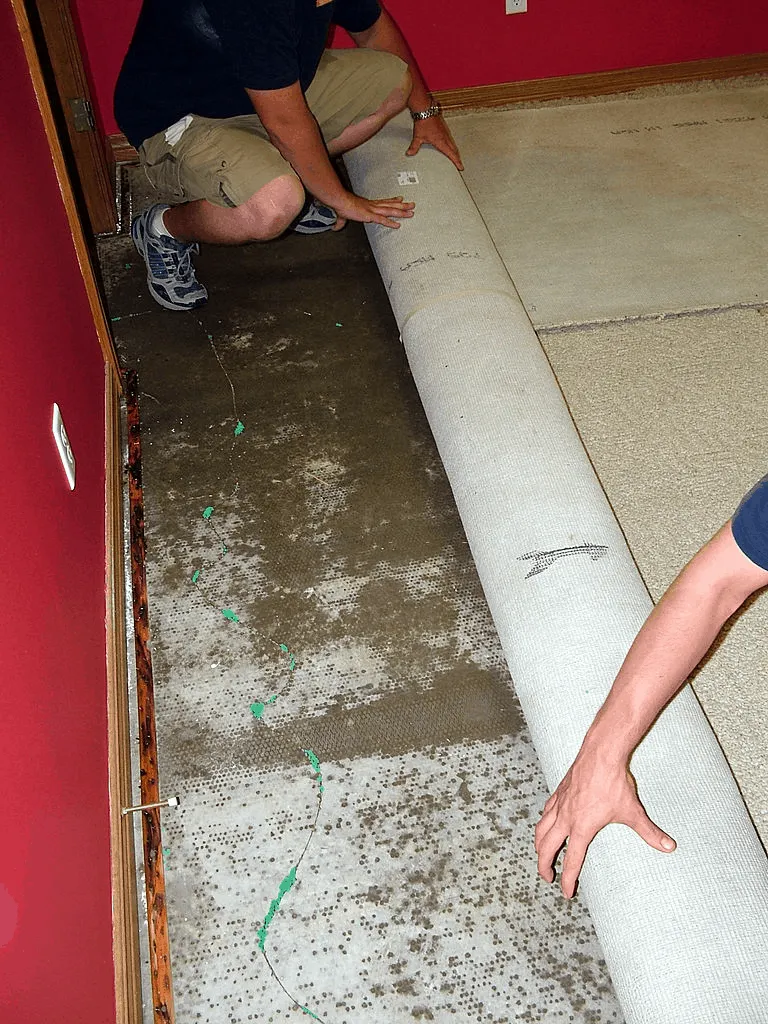
Every year, hundreds of Auckland homeowners face the devastating consequences of water damage. From burst pipes during cold snaps to overflowing gutters during heavy winter rainfall, the causes are varied — but the result is always the same: costly repairs, disrupted lives, and damaged belongings. The good news? The vast majority of residential water damage is entirely preventable.
At iDry Restorations, we've responded to thousands of water damage emergencies across Auckland — from the North Shore to Manukau, Henderson to Howick. After years of seeing the same problems repeat, we've compiled this comprehensive prevention guide to help Auckland property owners stay one step ahead of water damage.
Did you know? For every $1 spent on water damage prevention, Auckland homeowners save an estimated $10 to $30 in potential restoration costs. Prevention isn't just smart — it's one of the best investments you can make in your property.
Understanding Auckland's Unique Water Damage Risks
Before diving into prevention tips, it's important to understand why Auckland properties are particularly vulnerable to water damage. Our city faces a unique combination of environmental and infrastructure factors that increase risk.
Heavy and Unpredictable Rainfall
Auckland receives an average of 1,100 to 1,300mm of rainfall annually, spread across approximately 135 rain days per year. Unlike some regions where rain falls steadily, Auckland is known for intense downpours that can dump 30 to 50mm in a single hour. Events like the January 2023 Auckland Anniversary floods and Cyclone Gabrielle in February 2023 demonstrated just how quickly normal conditions can become dangerous.
These intense rainfall events overwhelm drainage systems, cause surface flooding in low-lying suburbs like Onehunga, Grey Lynn, and parts of South Auckland, and put enormous pressure on roofing and gutter systems.
Ageing Infrastructure
Many Auckland homes, particularly those built in the 1950s through to the 1980s, have ageing plumbing systems that are prone to failure. Galvanised steel pipes corrode from the inside out, copper pipes develop pinhole leaks, and old clay drainage pipes crack and shift. If your Auckland home is more than 30 years old and the plumbing hasn't been updated, you're at significantly higher risk of a pipe burst or slow leak.
Clay Soil Movement
Much of Auckland, particularly areas in West Auckland (Henderson, Waitakere, Titirangi) and parts of the North Shore, sits on expansive clay soils. These soils swell when wet and shrink when dry, creating ground movement that can crack foundations, shift pipes, and create gaps where water can penetrate. The seasonal cycle of wet winters and dry summers makes this an ongoing challenge.
Humidity and Condensation
Auckland's subtropical climate means high humidity year-round, particularly from December through March. Without adequate ventilation, this moisture condenses on cool surfaces inside your home — windows, walls, and ceilings — leading to dampness, mould growth, and gradual water damage that often goes unnoticed until it becomes severe.
Your Complete Water Damage Prevention Checklist
Use this checklist as a seasonal guide to keeping your Auckland property protected. We recommend completing a full review at least twice a year — once before winter and once in spring.
Roof Maintenance
Your roof is the first line of defence against Auckland's rainfall. A well-maintained roof can last decades, but neglect can lead to leaks that cause thousands of dollars in damage to ceilings, walls, insulation, and electrical systems.
- Inspect your roof twice a year — Look for cracked, missing, or lifted tiles and damaged or corroded iron sheets. Pay special attention to flashing around chimneys, vents, and skylights, as these are the most common leak points.
- Check for moss and lichen growth — Auckland's damp conditions encourage moss on roofs, particularly on the south-facing side. Moss holds moisture against roofing materials and accelerates deterioration. Have your roof treated with a moss-kill solution annually.
- Inspect and reseal roof penetrations — Anywhere a pipe, vent, aerial, or skylight penetrates the roof is a potential leak point. Check sealant annually and reapply as needed.
- Trim overhanging branches — Trees that overhang your roof drop leaves into gutters, scratch roofing materials in wind, and can cause catastrophic damage if a branch breaks during a storm.
Gutters and Downpipes
Blocked gutters are one of the most common — and most preventable — causes of water damage we see in Auckland homes. When gutters can't drain properly, water overflows directly against your fascia boards, soffit, and exterior walls, eventually finding its way inside.
- Clean gutters at least twice a year — More frequently if you have trees nearby. Autumn (March-May) and late spring (October-November) are critical cleaning times.
- Install gutter guards — Mesh or solid gutter guards dramatically reduce leaf and debris build-up. They're a worthwhile investment, especially for properties surrounded by pohutukawa, puriri, or other native trees that shed heavily.
- Check downpipe connections — Ensure every downpipe is securely connected to the gutter and directing water well away from your foundation. Disconnected or misaligned downpipes can dump hundreds of litres of water directly against your house during a storm.
- Extend downpipe drainage — Downpipes should discharge at least 1.5 metres away from your foundation. Use extensions or splash blocks to direct water away from the building.
Plumbing Maintenance
Plumbing failures account for a significant proportion of water damage claims in Auckland. Many of these failures are slow leaks that go undetected for weeks or months, causing extensive hidden damage behind walls and under floors.
- Schedule an annual plumbing inspection — A licensed plumber can identify worn washers, corroding pipes, and potential failure points before they become emergencies. Budget approximately $200 to $400 for a comprehensive inspection.
- Know where your toby (mains stopcock) is — Every Auckland property has a mains water shutoff valve, usually located near the street boundary. In an emergency, being able to shut off the water supply within seconds can prevent thousands of dollars in damage. Test it annually to ensure it operates smoothly.
- Check under sinks regularly — Kitchen and bathroom sink cabinets are prime spots for undetected leaks. Open these cabinets monthly and look for moisture, staining, or musty smells.
- Replace flexible braided hoses every 10 years — The flexible hoses that connect your taps, toilet cistern, and washing machine are a leading cause of catastrophic water damage when they burst. They have a limited lifespan and should be replaced proactively.
- Insulate exposed pipes — While Auckland rarely freezes, temperatures in elevated suburbs like Titirangi, Waiatarua, and parts of the Waitakere Ranges can drop low enough to stress pipes. Insulating exposed pipes in roof spaces and under the house is cheap insurance.
Hot Water Cylinder Maintenance
Hot water cylinders are one of the most overlooked water damage risks in Auckland homes. A failing cylinder can release 135 to 300 litres of hot water into your property, causing severe damage to floors, walls, and furnishings.
- Check the age of your cylinder — Most hot water cylinders last 10 to 15 years. If yours is approaching or past this age, budget for replacement before it fails unexpectedly.
- Inspect the pressure relief valve annually — This safety valve releases water if pressure builds too high. Lift the lever briefly to ensure it operates freely, then check that it reseats properly.
- Look for signs of corrosion — Rust stains, weeping joints, or dampness around the base of your cylinder are warning signs of imminent failure.
- Ensure adequate drainage — Your cylinder should sit in a tray with a drain, or be positioned where a leak will be quickly noticed rather than causing hidden damage.
Seasonal Preparation for Auckland Weather
Preparing for Winter Storms (March to August)
Auckland's winter storm season brings sustained heavy rainfall, strong winds, and occasional flooding. Preparing your property before winter arrives can prevent the most common types of seasonal water damage.
- Complete all roof and gutter maintenance by April
- Clear all ground-level drains and stormwater grates around your property
- Check that sump pumps (if installed) are operational — Test by pouring water into the sump pit
- Seal any gaps in exterior cladding, windows, and door frames
- Move valuable items off ground floors in flood-prone areas (particularly relevant for properties in Onehunga, Grey Lynn, Western Springs, and parts of South Auckland)
- Ensure your insurance policy is current and provides adequate flood and storm cover
Summer and Autumn Considerations (November to March)
While summer brings drier conditions overall, Auckland is well known for sudden subtropical downpours and thunderstorms. The transition from dry to wet is particularly risky.
- After prolonged dry spells, inspect for ground shrinkage — Clay soil contraction can create gaps around foundations. When heavy rain finally arrives, water can pour through these gaps into subfloor areas.
- Check air conditioning units for condensation drainage issues
- Inspect outdoor taps and irrigation systems for leaks after summer use
- Review ventilation in roof spaces — Summer heat combined with humidity can cause condensation in poorly ventilated roof cavities
Home Waterproofing Tips
Bathroom and Kitchen Waterproofing
Wet areas are among the most common sources of slow, hidden water damage. Water that penetrates through failed grout, deteriorated silicone, or compromised waterproof membranes can cause extensive structural damage before any visible signs appear.
- Inspect shower and bath silicone seals every six months — Replace any cracked, peeling, or mouldy silicone promptly. This is a simple, low-cost task that prevents major water ingress.
- Check tile grout condition — Cracked or missing grout allows water to penetrate behind tiles. Regrout affected areas immediately.
- Test your shower base for leaks — Block the shower drain, fill with 10mm of water, and mark the level. If the water level drops after 24 hours, you have a leak in the waterproof membrane.
- Ensure exhaust fans are operational — Every bathroom and kitchen should have a working extractor fan vented to the exterior (not into the roof space). Run the fan for at least 15 minutes after showering.
Exterior Waterproofing
- Apply water-repellent sealant to exterior timber cladding every 3 to 5 years
- Check and maintain exterior paint — Peeling or flaking paint exposes timber to moisture absorption
- Inspect window and door flashings — These metal or plastic strips direct water away from openings. Damaged flashing is a major leak source, especially in Auckland's wind-driven rain.
- Ensure ground levels are below the bottom of your cladding — Soil or garden beds built up against exterior walls wick moisture directly into the wall structure
Smart Water Detection Devices
Technology has made water damage prevention significantly easier and more reliable. Smart water detection devices can alert you to leaks within seconds — even when you're away from home — giving you time to respond before minor leaks become major disasters.
Types of Devices to Consider
- Point-of-leak sensors ($50-$150 each) — Place these near washing machines, dishwashers, hot water cylinders, toilets, and under sinks. They sound an alarm and send a smartphone notification when moisture is detected.
- Water flow monitors ($200-$500) — Installed on your main water supply line, these devices detect unusual water usage patterns that indicate leaks. Some models can automatically shut off the water supply.
- Whole-house leak detection systems ($500-$2,000+) — Comprehensive systems that combine multiple sensors with automatic shutoff valves. These provide the highest level of protection and are particularly worthwhile for rental properties, holiday homes, or properties where owners travel frequently.
Pro tip: Place water sensors in these priority locations first: beside the hot water cylinder, behind the washing machine, under the kitchen sink, in the bathroom cabinet, and in any subfloor or basement areas.
Landscaping for Better Drainage
The way your property is landscaped has a significant impact on water damage risk. Poor drainage can direct thousands of litres of stormwater towards your foundations during Auckland's heavy rain events.
- Grade soil away from foundations — The ground should slope away from your house at a minimum gradient of 1:50 (2%) for at least 1.5 metres. This directs surface water away from the building.
- Install French drains or channel drains in areas where water pools — particularly alongside driveways, paths, and at the base of retaining walls.
- Avoid impermeable surfaces near the house — Concrete and paving direct water runoff towards foundations. Consider permeable paving, gravel, or planted areas that absorb water.
- Maintain garden beds — Overgrown gardens can trap moisture against exterior walls. Keep plants trimmed at least 300mm from the house.
- Check retaining walls for weep holes — Retaining walls must have functioning drainage to prevent hydrostatic pressure build-up, which can cause wall failure and flooding.
What to Do If You Spot Early Signs of Water Damage
Even with the best prevention measures, water damage can still occur. Recognising the early warning signs and acting quickly is critical to minimising damage and costs.
Warning Signs That Demand Immediate Action
- Unexplained water bill increases — A sudden spike in water usage often indicates a hidden leak
- Musty or damp smells — Particularly in bathrooms, laundries, and closed-off rooms
- Discolouration on walls or ceilings — Brown or yellow stains indicate active or recent water penetration
- Peeling paint or bubbling wallpaper — Moisture behind the surface causes adhesion failure
- Warped, buckled, or soft flooring — Timber and laminate floors are highly sensitive to moisture
- Visible mould growth — Even small patches indicate a moisture problem that needs immediate attention
Your Immediate Response Plan
- Identify and stop the water source if possible — turn off the water supply at the toby if it's a plumbing issue
- Document the damage with photos and video for insurance purposes
- Remove excess water using towels, mops, or a wet vacuum
- Improve ventilation by opening windows and using fans
- Contact a professional restoration company — For anything beyond a minor spill, professional assessment and drying is essential to prevent mould growth and structural damage
If the damage is significant or you suspect water has penetrated into wall cavities, flooring, or ceiling spaces, do not delay. Mould can begin developing within 24 to 48 hours of water exposure, turning a manageable repair into a major remediation project.
The Cost of Prevention vs. the Cost of Restoration
Let's put the numbers in perspective. Here's what Auckland property owners typically spend on prevention versus what restoration costs when things go wrong:
Prevention Costs (Annual)
- Gutter cleaning (twice yearly): $200 - $400
- Plumbing inspection: $200 - $400
- Roof inspection and minor repairs: $300 - $600
- Smart water sensors (one-time): $200 - $500
- Silicone and grout maintenance: $50 - $150
Total annual prevention budget: approximately $950 - $2,050
Restoration Costs (When Prevention Fails)
- Minor water damage (single room): $2,000 - $5,000
- Moderate water damage (multiple rooms): $5,000 - $15,000
- Severe flood damage (ground floor): $15,000 - $50,000+
- Mould remediation (if water damage left untreated): $3,000 - $20,000+
The maths is clear: spending $1,000 to $2,000 annually on prevention can save you tens of thousands in restoration costs. It also protects your health, your belongings, and the structural integrity of your home.
If you're unsure about the current state of your property's water damage defences, or if you've noticed any of the warning signs we've described, don't wait for a major event to take action. Our team at iDry Restorations can provide expert advice and, if needed, professional restoration services to get your Auckland property back to its best. We also offer mould remediation Auckland services to address any mould growth that may have developed from undetected water damage.
iDry Restorations handles the full range of property damage situations, including fire damage restoration, meth decontamination, and biohazard cleaning. Whatever threatens your Auckland property, our IICRC-certified team is available 24/7 to help.