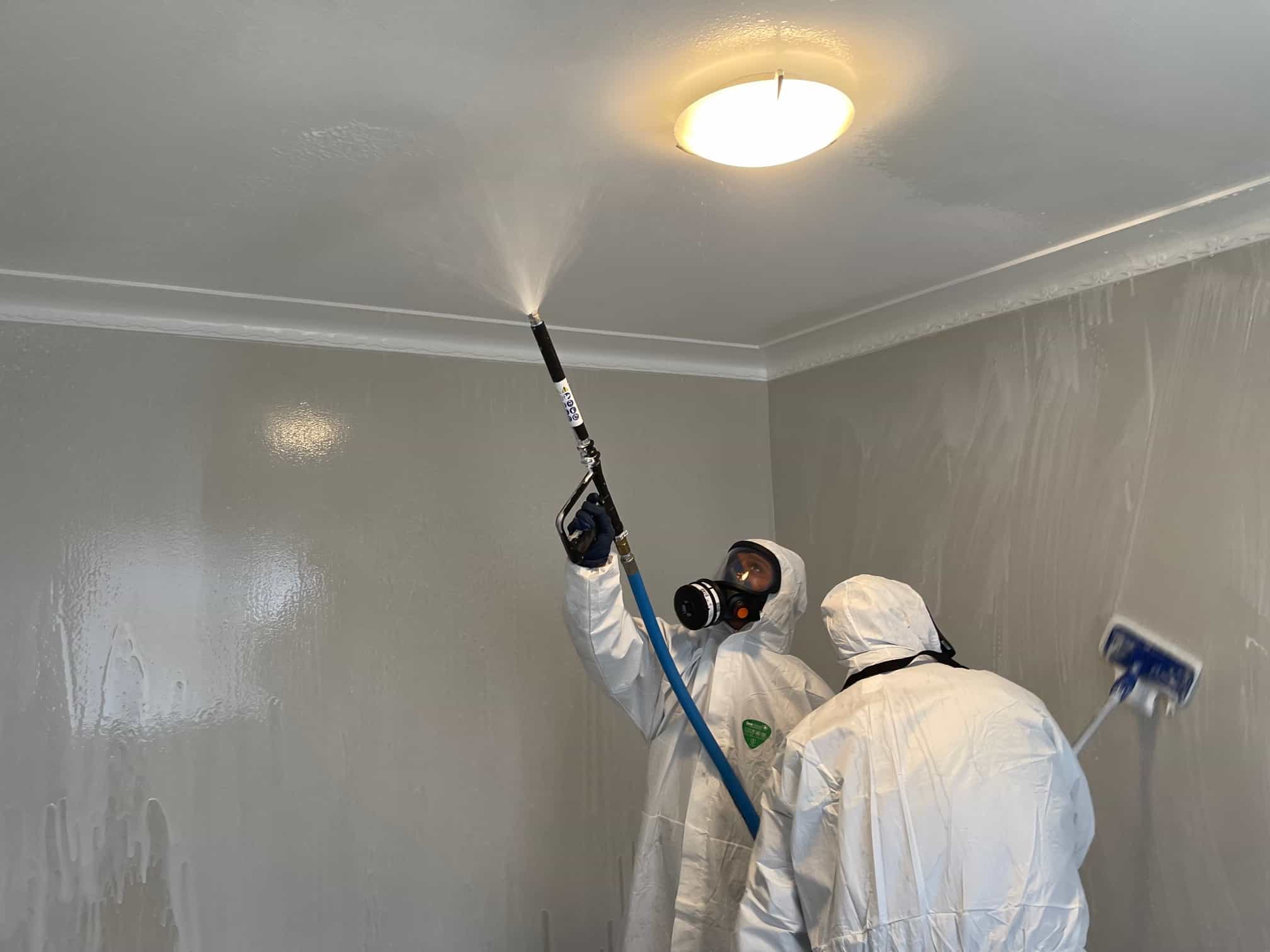
Methamphetamine contamination — commonly referred to as "P contamination" in New Zealand — is one of the most significant hidden risks facing property owners, landlords, and buyers across Auckland and the wider country. Unlike visible damage from floods or fire, meth residue is invisible, odourless at low levels, and can pose serious health risks to occupants who are completely unaware of its presence.
Whether you are purchasing a new property, managing rental investments, or simply concerned about a home you already own, understanding meth contamination and decontamination in New Zealand is essential. This comprehensive guide covers everything from the national standard to the decontamination process, costs, and your legal obligations as a property owner in Auckland.
The Meth Contamination Problem in New Zealand
New Zealand has one of the highest rates of methamphetamine use per capita in the developed world. While police enforcement and border security have made significant progress in reducing the number of active meth labs, the legacy of contamination remains embedded in thousands of properties across the country.
Meth contamination occurs in two primary ways:
- Manufacturing (cooking): Properties used as clandestine meth laboratories typically have extremely high contamination levels. Chemical residues from the manufacturing process can penetrate deep into building materials, including wall linings, ceiling tiles, carpet, concrete, and timber framing.
- Smoking (use): Properties where methamphetamine has been smoked can also become contaminated, though typically at lower levels. Smoke residues settle on surfaces throughout the property, including walls, ceilings, soft furnishings, and HVAC systems.
In Auckland specifically, the problem is widespread. The Auckland region accounts for a significant proportion of New Zealand's meth-related property contamination cases. High population density, a large rental market, and the transient nature of some tenancies contribute to the risk. Suburbs across West Auckland, South Auckland, Central Auckland, and the North Shore have all recorded cases of meth contamination.
Key fact: Even properties where meth has only been smoked — not manufactured — can exceed the national contamination threshold and require professional decontamination. You cannot assume a property is safe based on appearance alone.
NZS 8510:2017 — The National Standard Explained
In 2017, Standards New Zealand published NZS 8510:2017, titled Testing and Decontamination of Methamphetamine-Contaminated Properties. This standard replaced the earlier, more conservative guideline and established a scientifically reviewed framework for meth contamination assessment and remediation across New Zealand.
The Acceptable Contamination Level
The most important figure property owners need to know is the acceptable contamination threshold: 1.5 micrograms per 100 square centimetres (1.5 µg/100cm²).
- Below 1.5 µg/100cm²: The property is considered safe for habitation. No decontamination is required.
- Above 1.5 µg/100cm²: The property exceeds the acceptable level and requires professional decontamination before it can be deemed safe.
This threshold was set based on extensive toxicological review and represents the level below which health effects are not expected for long-term occupants, including children. The previous informal guideline of 0.5 µg/100cm² was considered overly conservative and led to unnecessary and costly remediation work on properties that posed no real health risk.
What NZS 8510 Covers
The standard provides detailed guidance on:
- When and why assessment should be undertaken
- Sampling methodologies and laboratory analysis requirements
- How to interpret test results
- The decontamination process and verification testing
- Competency requirements for testing and decontamination practitioners
- Record-keeping and reporting obligations
How Meth Contamination Is Identified
NZS 8510:2017 distinguishes between two levels of assessment, each serving a different purpose and suited to different situations.
1. Preliminary Screening
A preliminary screen is the first step and is designed to determine whether a property has any detectable level of methamphetamine contamination. This is a relatively quick and affordable test.
- Method: Surface swab samples are taken from key areas of the property (typically kitchens, bathrooms, lounges, and bedrooms). A composite sampling approach is used, where multiple swabs from within a single room may be combined into one sample.
- Purpose: To identify whether contamination is present and whether further detailed testing is needed.
- Turnaround: Laboratory results are typically available within 3–5 working days.
- Cost: Typically $250–$500 for an Auckland property, depending on size.
If the preliminary screen returns results below 1.5 µg/100cm², no further action is required. If results exceed the threshold, a detailed assessment is necessary.
2. Detailed (Comprehensive) Assessment
A detailed assessment provides a comprehensive picture of contamination levels throughout the property. This is required when preliminary screening indicates contamination above the acceptable level, or when there is strong evidence of meth manufacturing.
- Method: Individual discrete samples are taken from every room and from specific surfaces (walls, ceilings, floors, window frames, rangehood, extractor fans). Each sample is analysed independently.
- Purpose: To map contamination levels throughout the property, identify hotspots, and determine the scope of decontamination required.
- Turnaround: Results in 5–10 working days, though some labs offer expedited service.
- Cost: Typically $1,500–$5,000 depending on property size and complexity.
Important: Only laboratories accredited by International Accreditation New Zealand (IANZ) should be used for meth contamination analysis. Ensure any assessment company uses an IANZ-accredited lab — results from non-accredited laboratories may not be accepted by insurers, banks, or legal proceedings.
When Is Meth Contamination a Concern?
There are several situations where investigating potential meth contamination is strongly recommended:
Property Purchase
If you are buying a property in Auckland, checking for meth contamination is one of the most prudent pre-purchase steps you can take. Banks and lenders are increasingly requiring this as a condition of mortgage approval, particularly for older properties or those in suburbs with higher risk profiles. A clear result gives you confidence in your purchase and protects your investment.
Between Tenancies
For landlords and property managers, checking for contamination between tenancies is becoming standard practice. Even a single tenancy involving meth use can leave contamination levels above the threshold. Many Auckland property management companies now include this as part of their standard end-of-tenancy process.
Suspicion of Meth Activity
If you notice any of the following signs, investigation is warranted:
- Unusual chemical odours (ammonia, solvent-like smells)
- Staining on walls, ceilings, or benchtops (yellow or brown discolouration)
- Excessive ventilation modifications (extra fans, holes in walls)
- Unusual amounts of chemical containers, glassware, or laboratory equipment
- Reports from neighbours about suspicious activity
- Unexplained health symptoms in occupants (headaches, respiratory issues, skin irritation)
Insurance Requirements
Some insurance policies now include specific provisions related to meth contamination. Your insurer may require investigation if a claim involves a property where meth activity is suspected, or as part of policy renewal for investment properties.
Understanding Contamination Levels
Contamination levels are reported in micrograms per 100 square centimetres (µg/100cm²). Here is how to interpret them:
- 0.0–0.5 µg/100cm²: Very low or no detectable contamination. Property is well within the safe range.
- 0.5–1.5 µg/100cm²: Some contamination detected but below the NZS 8510 threshold. Property is considered safe. No action required, though you may wish to investigate the source.
- 1.5–5.0 µg/100cm²: Above threshold. Likely indicates meth smoking. Professional decontamination required, typically involving surface cleaning and sealing.
- 5.0–50 µg/100cm²: Significant contamination. May indicate heavy use or proximity to a cooking area. More intensive decontamination required, potentially including removal of soft materials.
- Above 50 µg/100cm²: Severe contamination, typically associated with meth manufacturing. Extensive remediation required, potentially including removal of wall linings, insulation, carpet, and other building materials.
The Decontamination Process
When a property fails the NZS 8510 threshold, professional decontamination must be carried out by a suitably qualified and experienced company. The process involves several stages:
Scope of Works Development
Based on the detailed assessment results, a decontamination plan is developed. This identifies which areas require treatment, what level of intervention is needed (surface clean, seal, or removal), and the expected timeline and cost.
Containment and Preparation
The property is sealed and contained to prevent cross-contamination. Technicians wear full personal protective equipment (PPE) including respirators, gloves, and disposable coveralls. HVAC systems are isolated.
Removal of Contaminated Materials
Depending on contamination severity, some materials may need to be physically removed and disposed of. This can include:
- Carpet, underlay, and curtains
- Wall linings (plasterboard/GIB)
- Ceiling tiles
- Insulation
- Soft furnishings
Surface Cleaning and Treatment
Remaining surfaces are cleaned using specialised chemical solutions designed to break down and remove methamphetamine residues. Multiple cleaning passes may be required. After cleaning, surfaces are sealed with an encapsulating coating to lock in any remaining trace residues.
Verification Testing
After decontamination, the property is re-tested to confirm that contamination levels have been reduced below the 1.5 µg/100cm² threshold. This verification must be conducted by an independent testing company (not the company that performed the decontamination) to ensure objectivity. Only after verification testing confirms compliance can the property be cleared for habitation.
Costs of Decontamination in Auckland
Understanding the financial aspect helps you budget appropriately and avoid surprises:
Decontamination Costs
- Low-level contamination (surface clean and seal): $3,000–$10,000
- Moderate contamination (partial material removal): $10,000–$30,000
- Severe contamination (full remediation, material removal, rebuild): $30,000–$100,000+
Important: If contamination is found during property due diligence, acting quickly on professional decontamination can prevent further exposure risks and property value loss.
Legal Obligations for Landlords and Property Buyers
Landlord Obligations
Under the Residential Tenancies Act 1986, landlords are required to provide rental properties that are fit for habitation. While there is no specific legal requirement to test every property for meth, a landlord who is aware of or suspects contamination and fails to act could be in breach of this obligation.
Key considerations for Auckland landlords:
- If a tenant reports concerns about contamination, you should investigate promptly
- Between tenancies, particularly where there are signs of drug use, investigation is prudent
- If contamination is confirmed, you must have the property decontaminated before re-letting
- Documentation of all contamination assessments and decontamination should be retained for future reference
- Some insurance policies require disclosure of known contamination history
Property Buyer Obligations and Rights
Under the Property Law Act 2007 and the Fair Trading Act 1986, sellers and their agents must not misrepresent the condition of a property. If a seller is aware of meth contamination, they are obligated to disclose this to prospective buyers. However, sellers are not required to proactively test for contamination unless a specific contractual condition requires it.
As a buyer, you have the right to:
- Request a meth contamination assessment as a condition of your purchase agreement
- Negotiate on price or withdraw from the sale if contamination is found
- Request a LIM report from Auckland Council, which may contain information about known contamination or enforcement action at the property
How to Choose a Certified Meth Decontamination Company in Auckland
Not all meth decontamination companies are created equal. When selecting a provider in Auckland, look for the following:
- NZS 8510 compliance: The company should explicitly follow the NZS 8510:2017 standard in all decontamination and reporting
- IANZ-accredited validation: Post-decontamination validation should use an IANZ-accredited lab for legally recognised results
- Experienced technicians: Technicians should have relevant qualifications and training in hazardous substance handling and decontamination methodology
- Comprehensive reporting: Reports should include full documentation of the decontamination scope, methods used, and clearance results
- Insurance: The company should carry professional indemnity insurance and public liability insurance
Auckland-Specific Considerations
Auckland's property market has some unique characteristics that make meth contamination awareness particularly relevant:
- High property values: With Auckland's median house price well above the national average, the financial impact of undisclosed contamination is substantial. Identifying and addressing contamination protects an investment worth hundreds of thousands of dollars.
- Large rental market: Auckland has New Zealand's largest rental market, with tens of thousands of investment properties. The turnover of tenants increases the statistical risk of meth activity in any given property over time.
- Diverse housing stock: From state housing in South Auckland to modern apartments in the CBD and character homes on the North Shore, meth contamination does not discriminate by property type or suburb. Awareness and action are relevant across all market segments.
- Council records: Auckland Council maintains records of properties where enforcement action has been taken. However, many contaminated properties are never formally reported, so council records alone are not sufficient for due diligence.
If your Auckland property has confirmed meth contamination and you need professional decontamination services, iDry Restorations can help. Our team is experienced in meth decontamination across the Auckland region, from Whenuapai to Manukau and everywhere in between.
What to Do If Your Property Tests Positive
Receiving a positive contamination result can be alarming, but there is a clear pathway forward:
- Do not panic. Contamination above the threshold does not mean the property is unsafe to enter briefly. It means long-term habitation without remediation is not recommended.
- Get a detailed assessment if you only had a preliminary screen. You need a full picture of contamination levels before developing a remediation plan.
- Notify your insurer. Some policies cover meth contamination, particularly if it occurred without your knowledge. Check your policy wording.
- Engage a professional decontamination company. Do not attempt DIY remediation — it is ineffective and potentially dangerous.
- Ensure independent verification is conducted after decontamination to confirm the property meets the NZS 8510 standard.
- Keep all documentation including assessment reports, decontamination certificates, and verification results. These will be needed for insurance, future property sales, and legal compliance.
For professional advice and support with meth contamination in Auckland, contact iDry Restorations for a confidential consultation. We also specialise in related property contamination issues, including hidden water damage that can compound contamination problems.
iDry Restorations offers a complete range of property restoration services beyond meth decontamination. We provide flood restoration Auckland services for properties affected by water damage, mould remediation for homes where moisture has led to mould growth, fire damage restoration for properties affected by fire and smoke, and biohazard cleaning for situations involving hazardous contamination. Whatever the issue affecting your Auckland property, our IICRC-certified team has the expertise to resolve it.
Concerned About Meth Contamination?
iDry Restorations provides professional meth decontamination services across Auckland. Call us for expert advice and a free consultation.
Call 0800 452 199 Get a Free Quote