When floodwaters recede, the real challenge often begins: dealing with the insurance claim. For Auckland homeowners who have just experienced flood damage, the claims process can feel overwhelming — mountains of paperwork, complex policy language, loss adjusters, and the constant worry about whether your claim will be approved.
The good news is that most flood damage in New Zealand is covered by insurance, and the claims process, while detailed, follows a predictable path. Knowing what to do, when to do it, and how to avoid common pitfalls can make the difference between a smooth, fully covered restoration and a prolonged, underfunded nightmare.
This guide walks you through the entire flood damage insurance claims process in New Zealand, from the first phone call to final settlement, with specific advice for Auckland property owners.
Step 1: Ensure Safety First
Before thinking about insurance, ensure your family's safety. Flood-damaged properties can present several immediate hazards:
- Electrical risks: Do not enter a flooded property until the power has been switched off at the mains. If the switchboard is submerged or you cannot safely reach it, contact your electricity provider.
- Structural damage: Floodwaters can undermine foundations, warp framing, and compromise load-bearing walls. If you notice sagging ceilings, cracked walls, or doors that will not close properly, stay out and call a professional.
- Contamination: Floodwater is almost always contaminated with sewage, chemicals, and biological hazards. Wear protective equipment (gumboots, gloves, mask) if you must enter the property.
- Gas leaks: If you smell gas, evacuate immediately and call your gas provider.
Once safety is established, you can begin the claims process. For immediate professional help with flood damage in Auckland, call iDry Restorations — we respond within 60 minutes, 24/7.
Step 2: Document Everything Before Cleaning Up
This is arguably the most critical step in the entire claims process, and the one most commonly done poorly. Thorough documentation before any cleanup begins is essential for a successful claim.
Photography and Video
Use your smartphone to create a comprehensive visual record:
- Wide shots: Photograph each room from multiple angles, showing the overall extent of damage
- Close-ups: Take detailed photos of specific damage to walls, flooring, furniture, appliances, and personal items
- Water lines: Photograph water marks on walls that show the maximum flood height
- Video walkthrough: Record a narrated video walking through the entire property, describing the damage as you go. This provides context that photos alone cannot capture.
- External damage: Do not forget to photograph damage to the exterior, including landscaping, fencing, driveways, and the roof
- Date and time stamp: Ensure your phone's date and location settings are enabled so photos are automatically timestamped and geotagged
Pro tip: Take far more photos than you think you need. You can never have too much photographic evidence. Insurance assessors cannot see what you do not show them. Photograph damaged items from multiple angles, including brand labels and model numbers where visible.
Inventory of Damaged Items
Create a written inventory of all damaged items, including:
- Description of each item (brand, model, colour, size)
- Approximate age and condition before the flood
- Original purchase price (if known) or estimated replacement cost
- Where the item was located in the property
- Whether the item is repairable or a total loss
For high-value items (electronics, jewellery, artwork, tools), gather any receipts, warranty cards, or bank/credit card statements that prove purchase. If you have previous photos of your home's interior (from real estate listings, social media, or family photos), these can serve as evidence of what you owned before the flood.
Step 3: Contact Your Insurer Promptly
Notify your insurance company as soon as possible after the flood event. Most insurers have dedicated claims hotlines that operate 24/7 during major weather events. Here is what you need to have ready when you call:
- Your policy number
- The date and time the flooding occurred
- A brief description of the damage
- Your contact details and the property address
- Whether the property is currently habitable
- Whether you have already engaged any emergency services or restoration companies
Key Timelines
While there is no fixed statutory deadline for notification in New Zealand, best practice is:
- Within 24–48 hours: Contact your insurer to lodge the claim
- Within 7 days: Provide initial documentation (photos, video, preliminary inventory)
- Within 30 days: Submit a complete claim with full inventory and supporting documentation
The sooner you notify your insurer, the faster the process can begin. Delays in notification can complicate claims and, in extreme cases, give insurers grounds to reduce payouts.
Step 4: Understand What Is Covered (and What Is Not)
Insurance policies are not all the same, and understanding the specifics of your coverage is essential for managing expectations.
What Is Typically Covered
- Sudden and accidental flood damage from storms, heavy rainfall, river overflow, and tidal surges
- Emergency repairs to prevent further damage (e.g., tarping, boarding up, water extraction)
- Structural drying including professional dehumidification equipment
- Repair or replacement of damaged building materials (flooring, walls, insulation, roofing)
- Contents damage to furniture, appliances, electronics, clothing, and personal effects (under your contents policy)
- Alternative accommodation if your home is uninhabitable during restoration (check your policy for limits)
- Professional cleaning including carpet cleaning, mould treatment, and sanitisation
What Is Typically NOT Covered
- Gradual damage: Damage that has occurred slowly over time (e.g., a leaking pipe that has been dripping for months) is generally not covered under a sudden and accidental flood claim
- Lack of maintenance: If the flood damage resulted from failure to maintain the property (blocked gutters, deteriorated weatherproofing), insurers may reduce or decline the claim
- Pre-existing damage: Damage that existed before the flood event will not be covered
- Certain natural events: Some policies exclude damage from specific causes. Check your policy wording carefully
- Items stored in known flood-risk areas: If you stored valuables in a basement or ground-floor area that has flooded before, coverage may be limited
- Cash, documents, and certain valuables: Many policies have sub-limits or exclusions for cash, important documents, and high-value collectibles
Important: Always read your policy wording — not just the summary — to understand exactly what is covered and what exclusions apply. If anything is unclear, ask your insurer or broker for a plain-English explanation before the claim progresses.
Step 5: EQC vs Private Insurance — Understanding the Difference
New Zealand has a unique two-tier insurance system for natural disaster damage that many homeowners find confusing. Here is how it works:
Toka Tu Ake EQC (Earthquake Commission)
The Earthquake Commission, now branded as Toka Tu Ake, provides natural disaster cover for residential properties through the Natural Disaster Fund. Despite its name, EQC covers more than just earthquakes — it also covers damage from:
- Flooding (natural overflow of water onto normally dry land)
- Storm and flood damage
- Landslips
- Volcanic eruption
- Hydrothermal activity
- Tsunami
EQC cover is automatically included when you hold a private home insurance policy. You do not need to purchase it separately. The current EQC cap is $300,000 (+GST) for dwelling damage.
Your Private Insurer
Your private insurance company (e.g., IAG, Tower, Vero, AA Insurance, AMI) handles the claims process on behalf of EQC. You make a single claim to your insurer, and they manage the EQC portion. If your damage exceeds the EQC cap, your private insurer covers the excess up to your policy limit.
Private insurance also covers:
- Contents: EQC provides limited contents cover ($20,000 +GST). Your private contents policy covers the rest
- Temporary accommodation: Typically covered under your private policy, not EQC
- Commercial properties: EQC only covers residential dwellings. Commercial properties rely entirely on private insurance
Step 6: Working with Loss Adjusters
For significant flood claims, your insurer will likely appoint a loss adjuster to assess the damage and determine the claim value. Understanding the loss adjuster's role and how to work with them effectively is important.
What a Loss Adjuster Does
- Inspects the damaged property in person
- Assesses the extent and cause of damage
- Determines what is covered under your policy
- Estimates the cost of repair or replacement
- Provides a report and recommendation to your insurer
Tips for Working with Loss Adjusters
- Be present during the inspection. Walk through the property with the loss adjuster and point out all areas of damage. Do not assume they will find everything themselves.
- Provide your documentation. Share your photos, video, and inventory. The more evidence you provide, the more comprehensive the assessment.
- Ask questions. You have every right to ask about the assessment process, what is being included, and what the next steps are.
- Get your own assessment. You are entitled to obtain an independent assessment or quote. A professional restoration company like iDry can provide a detailed scope of works that you can compare with the loss adjuster's report.
- Keep records. Note the loss adjuster's name, the date and time of the visit, and any verbal commitments or statements made during the inspection.
Step 7: How Restoration Companies Help with Claims
Professional restoration companies play a crucial role in the insurance claims process that many homeowners are not aware of. At iDry Restorations, we work directly with insurers on hundreds of flood damage claims across Auckland every year.
What We Provide to Support Your Claim
- Detailed scope of works: A comprehensive document outlining every aspect of the restoration needed, broken down by room and by trade. This forms the basis of the claim value.
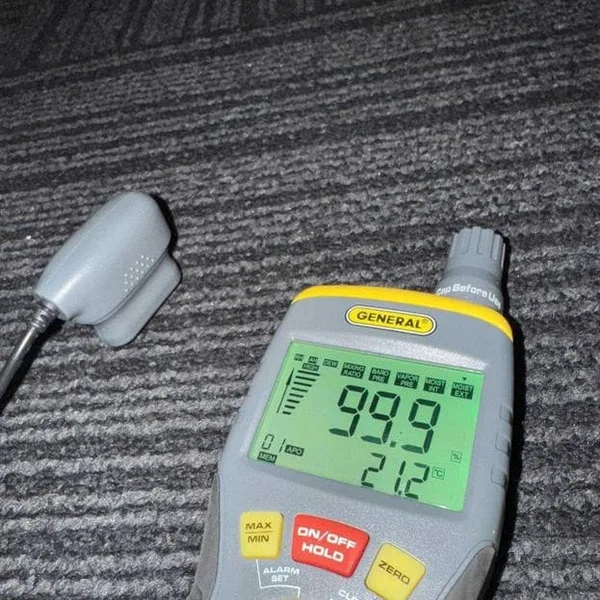
- Moisture mapping reports: Using thermal imaging cameras and commercial moisture meters, we produce detailed moisture maps that show exactly where water has penetrated. This is critical evidence that supports the full extent of the claim.
- Progress photography: We document every stage of the restoration process, providing your insurer with visual proof that work is being carried out to the required standard.
- Direct insurer communication: We liaise directly with your insurer and their loss adjuster, handling the technical discussions and negotiations so you do not have to.
- Drying certificates: Upon completion of the structural drying phase, we provide formal drying certificates that confirm the property has been dried to the required standard. These are essential for claim sign-off.
Did you know? iDry Restorations works with all major New Zealand insurance companies, including IAG, Tower, Vero, AA Insurance, and AMI. Our team understands each insurer's processes and documentation requirements, which helps ensure faster claim approval and settlement.
Common Insurance Claim Mistakes to Avoid
After years of working with Auckland homeowners on flood damage claims, we have seen the same mistakes repeated time and again. Here are the most common pitfalls and how to avoid them:
1. Cleaning Up Before Documenting
The understandable urge to start cleaning immediately can destroy critical evidence. Always photograph and video everything before moving, cleaning, or disposing of anything. Once you have thorough documentation, then you can begin safe cleanup and emergency mitigation.
2. Throwing Away Damaged Items
Do not dispose of damaged items until your insurer has had the opportunity to inspect them (or has confirmed in writing that disposal is acceptable). If you must remove items for health or safety reasons, photograph them thoroughly first and keep a detailed record.
3. Failing to Mitigate Further Damage
Your policy requires you to take reasonable steps to prevent further damage. This includes:
- Turning off the water supply if a burst pipe caused the flooding
- Covering broken windows or damaged roofing with tarps
- Removing standing water where possible
- Moving undamaged items away from wet areas
Failure to mitigate can give your insurer grounds to reduce the claim for damage that could have been prevented.
4. Accepting the First Offer Without Review
The initial settlement offer is not necessarily the final offer. If you believe the offer does not adequately cover the cost of restoring your property to its pre-flood condition, you have every right to negotiate. Providing an independent scope of works from a restoration company can support your position.
5. Not Understanding Your Excess
Your policy will include an excess (sometimes called a deductible) that you must pay before the insurer covers the rest. Know your excess amount before filing the claim so there are no surprises. Some policies have different excess amounts for natural disaster claims compared to standard claims.
6. Delaying the Claim
Time is not your friend when it comes to flood damage claims. The longer you wait, the harder it becomes to prove the extent of the original damage, and secondary damage (such as mould growth) can complicate the situation further.
Dispute Resolution Options
If you are unhappy with how your claim is being handled, you have several avenues for resolution in New Zealand:
Internal Complaints Process
Every insurer in New Zealand is required to have a formal internal complaints process. Start here — put your complaint in writing, clearly state what outcome you are seeking, and request a response within a specific timeframe.
Insurance & Financial Services Ombudsman (IFSO)
If the internal process does not resolve your complaint, you can escalate to the IFSO Scheme. This is a free, independent dispute resolution service that covers most insurance companies in New Zealand. The IFSO can investigate your complaint and, if necessary, make a binding decision on claims up to $350,000.
Legal Advice
For complex or high-value claims, specialist insurance lawyers can provide advice and, if necessary, represent you in negotiations or legal proceedings. Some lawyers offer initial consultations free of charge.
Community Law Centres
If you cannot afford a lawyer, Community Law Centres across Auckland provide free legal advice and may be able to assist with insurance disputes.
Tips for Faster Claim Settlement
Based on our experience managing hundreds of flood damage claims in Auckland, here are the most effective strategies for getting your claim settled faster:
- File immediately. Contact your insurer within 24 hours of the flood. Early notification triggers the assessment process sooner.
- Provide comprehensive documentation upfront. The more complete your initial claim submission, the fewer follow-up requests your insurer will need to make.
- Engage a professional restoration company early. A company like iDry can provide the detailed documentation and technical reports that insurers need to approve claims quickly.
- Respond to requests promptly. When your insurer or loss adjuster asks for additional information, provide it as quickly as possible. Delays in communication are the single biggest cause of slow claim settlement.
- Keep a claims diary. Record every phone call, email, and interaction related to your claim, including dates, names, and what was discussed. This creates a clear timeline if any disputes arise.
- Know your policy. Understanding what is covered and what the process involves means you can advocate effectively for yourself throughout the process.
- Be realistic but thorough. Include everything that was genuinely damaged, but do not exaggerate. Inflated claims are flagged and investigated, which slows the entire process down.
Auckland-Specific Considerations
Auckland's geography, climate, and recent weather history create some unique considerations for flood insurance claims:
Post-Cyclone Gabrielle and Auckland Anniversary Floods
The major flooding events of recent years have significantly impacted how insurers handle Auckland flood claims. Suburbs across West Auckland (Henderson, Te Atatu, New Lynn), South Auckland (Mangere, Manukau, Papakura), and the North Shore (Northcote, Birkenhead) experienced widespread damage. Many insurers have since updated their processes, hired additional claims staff, and improved communication protocols for Auckland-specific events.
Categorised Properties
Following major flood events, Auckland Council has categorised some properties based on their future flood risk. If your property falls into a high-risk category, this may affect your insurance renewal and premiums. Understanding your property's categorisation is important when making a claim and when planning future flood protection measures.
Stormwater and Council Infrastructure
Some Auckland flooding is caused or exacerbated by inadequate stormwater infrastructure rather than natural events alone. If council infrastructure contributed to your flood damage, you may have a separate claim against Auckland Council or Watercare under the Local Government Act. This is a complex area that may require legal advice.
Multi-Unit Properties
Auckland has a growing number of multi-unit developments, townhouses, and apartments. Flood damage in these properties can involve multiple insurance policies (body corporate and individual), multiple owners, and shared infrastructure. Coordinating claims in multi-unit situations requires careful management and communication.
Preparing for Future Flood Events
Once your current claim is settled and your property is restored, take proactive steps to reduce the impact of future flooding:
- Review your insurance annually. Ensure your sum insured reflects the current rebuild cost and that your contents cover is adequate
- Implement flood protection measures. Consider installing non-return valves, raising electrical outlets, using flood-resistant building materials in ground-floor areas, and improving drainage
- Create a home inventory. Maintain an up-to-date inventory of your possessions with photos and receipts. Store it digitally (cloud backup) so it is accessible even if your property is damaged
- Know your flood risk. Check Auckland Council's flood hazard maps and GeoMaps to understand your property's specific flood risk profile
- Have a flood response plan. Know where your insurance documents are, have your insurer's claims number saved in your phone, and have a list of emergency contacts including a trusted restoration company
iDry Restorations also handles insurance claims for related restoration services, including fire damage restoration, mould remediation, meth decontamination Auckland, and biohazard cleaning. Our experience working with insurers across all types of property damage ensures a streamlined claims process regardless of the cause.
If you need immediate help with flood damage in Auckland, or if you need support navigating an insurance claim, contact iDry Restorations. Our team manages the entire process from emergency response through to claim settlement and full property restoration.
Need Help with a Flood Insurance Claim?
iDry Restorations works directly with all major NZ insurers. We handle the documentation, communication, and restoration so you can focus on getting back to normal.
Call 0800 452 199 Get a Free Quote