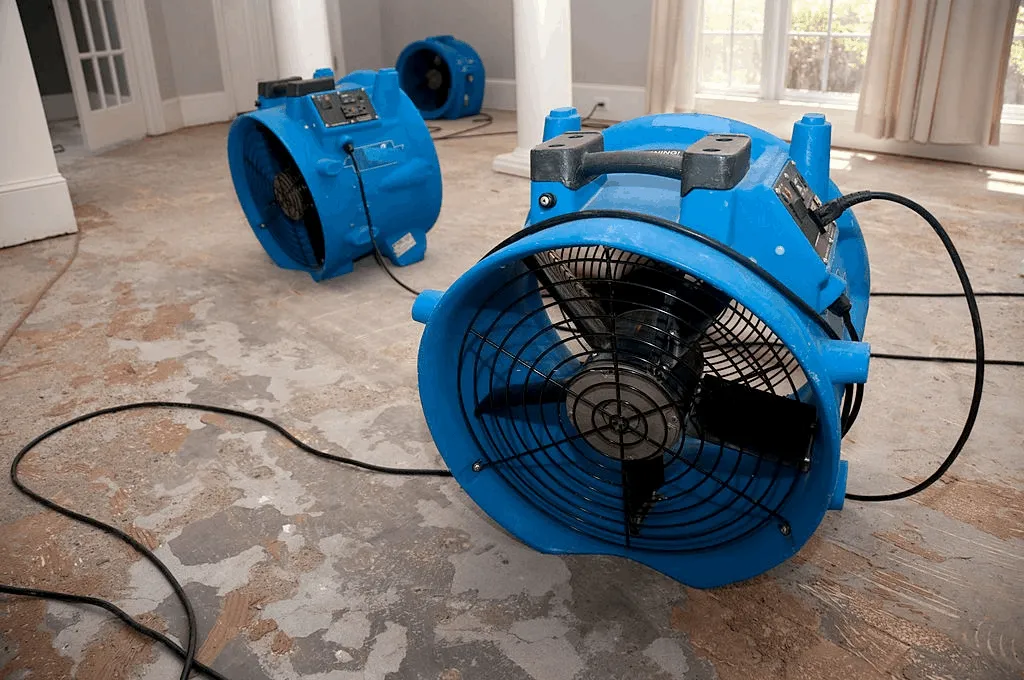
One of the first questions Auckland homeowners ask after a flood is: "How much is this going to cost?" It is a completely understandable question — and unfortunately, the answer is not straightforward. Flood restoration costs in Auckland depend on dozens of variables, from the type of water involved to the materials in your home and how quickly you respond.
What we can do is give you honest, transparent guidance based on our experience restoring hundreds of flood-damaged Auckland properties. This guide breaks down the real costs you can expect, explains what drives pricing up or down, and shows you how to navigate the process without overpaying or cutting corners that cost you more in the long run.
Flood Restoration Cost Overview: Auckland Price Ranges
To give you a starting point, here are the typical cost ranges we see for flood restoration in Auckland in 2026. These are indicative only — every situation is unique, and a proper on-site assessment is the only way to get an accurate quote.
Minor Water Damage (Single Room, Clean Water)
- Typical scenario: Burst pipe, overflowing bath, or appliance leak affecting one room
- Estimated cost: $1,500 – $4,000
- What is included: Water extraction, structural drying (3–5 days of equipment), moisture monitoring, carpet lifting and drying or replacement, antimicrobial treatment
Moderate Water Damage (Multiple Rooms, Clean or Grey Water)
- Typical scenario: Storm flooding affecting ground floor, roof leak during heavy rain, or significant pipe failure
- Estimated cost: $5,000 – $15,000
- What is included: All of the above plus removal of saturated materials (GIB, insulation, underlay), extended drying programme (7–14 days), content handling and protection, decontamination if grey water is involved
Severe Flood Damage (Whole Home, Contaminated Water)
- Typical scenario: Major storm event, overland flow, sewage backup, or prolonged flooding
- Estimated cost: $15,000 – $50,000+
- What is included: Emergency water extraction with truck-mounted equipment, full decontamination and sanitisation, extensive material removal and disposal, structural drying programme, mould prevention treatment, content pack-out and storage, full reconstruction and rebuild of affected areas
Full Structural Reconstruction
- Typical scenario: Flood damage requiring new flooring, walls, kitchen/bathroom rebuilds, or structural repairs
- Estimated cost: $30,000 – $100,000+
- What is included: All restoration work plus new GIB installation, painting, flooring, cabinetry, plumbing, electrical, and any required building consent work
Important note: These prices reflect the Auckland market as of early 2026. Material and labour costs fluctuate, and pricing can be affected by demand following major weather events. Always get a written quote specific to your situation.
What Factors Affect Flood Restoration Costs?
Understanding what drives the cost of flood restoration helps you make informed decisions and have realistic expectations. Here are the key factors:
1. Water Category (Clean, Grey, or Black)
The type of water involved has a significant impact on cost because it determines the level of decontamination required:
- Category 1 (Clean water): From a broken supply pipe, overflowing tap, or rainwater. Lowest restoration cost as no decontamination is needed.
- Category 2 (Grey water): From washing machines, dishwashers, or some stormwater sources. Contains contaminants that require antimicrobial treatment. Moderate additional cost.
- Category 3 (Black water): From sewage, river flooding, or water that has been standing for more than 48 hours. Requires full hazardous decontamination, PPE, and specialised disposal. This can add 30–50% to the overall restoration cost.
In Auckland, storm flooding is often Category 2 or 3 because stormwater systems can overflow with sewage during heavy rainfall events. This is particularly common in older suburbs like Ponsonby, Grey Lynn, and Mt Eden where combined stormwater and wastewater infrastructure still exists.
2. Size of the Affected Area
This is perhaps the most obvious cost driver. A single room with water damage is fundamentally different from an entire ground floor. Restoration companies typically assess the affected area in square metres, and larger areas require:
- More extraction equipment and labour hours
- Additional dehumidifiers and air movers (each unit covers approximately 15–25 square metres)
- More material removal and disposal
- Longer drying programmes with higher electricity costs
3. Materials Affected
Different building materials respond very differently to water, and some are far more expensive to restore or replace than others:
- Carpet and underlay: Carpet can sometimes be cleaned and re-laid, but underlay almost always needs replacing. Cost: $40–$80 per square metre for new carpet and underlay, plus installation.
- Timber flooring: Solid timber floors can sometimes be dried, sanded, and re-finished. However, if boards have cupped, buckled, or warped beyond recovery, replacement is needed. Cost: $120–$300+ per square metre for native timber replacement.
- GIB (plasterboard): Once GIB absorbs water, it loses structural integrity and becomes a mould breeding ground. Saturated GIB must be cut out and replaced. Cost: $80–$150 per square metre including removal, replacement, stopping, and painting.
- Insulation: Wet insulation (fibreglass batts, polyester, or loose-fill) loses its insulating properties and must be replaced. Cost: $15–$40 per square metre for wall insulation replacement.
- Kitchen and bathroom cabinetry: Particleboard (MDF) cabinetry swells and disintegrates when waterlogged and cannot be repaired. Replacement is the only option. Cost: $5,000–$25,000+ for kitchen replacements depending on size and specification.
4. Response Time
This is the single biggest factor within your control. The speed at which professional restoration begins directly affects the total cost. Here is why:
- Within 2 hours: Water extraction and drying can often prevent material damage. You may only need extraction and a short drying programme.
- Within 24 hours: Some material absorption has occurred, but most building elements can still be dried in place without removal.
- After 48 hours: Mould growth begins, materials start breaking down, and more extensive removal and replacement is typically required.
- After 7 days: Significant mould colonisation, structural degradation, and potential health hazards. The scope and cost of restoration increase dramatically.
Cost-saving fact: We have seen cases where a fast response (within hours) kept the total restoration cost under $3,000, while an identical situation left for three days before treatment ended up costing over $12,000. Speed saves money — every time.
5. Accessibility
Some areas of Auckland homes are harder (and therefore more expensive) to access and restore:
- Subfloor spaces: Many Auckland homes, particularly older villas and bungalows in suburbs like Devonport, Epsom, and Mt Albert, have raised timber subfloors. Drying these crawl spaces requires specialist equipment and often restricted-space work at premium labour rates.
- Multi-level properties: Water that has migrated between floors through penetrations, staircases, or ceiling cavities creates more complex drying challenges.
- Wall cavities: Moisture trapped inside wall framing is invisible but extremely damaging. Accessing it may require removing sections of GIB for injection drying.
6. Time of Year and Demand
Auckland experiences its heaviest rainfall between May and August, and major storm events can create sudden, region-wide demand for restoration services. During these peak periods:
- Equipment availability may be stretched
- Wait times for non-emergency work increase
- Some companies may charge premium rates
Reputable restoration companies like iDry Restorations maintain consistent pricing regardless of demand, but it is worth being aware that industry-wide, pricing pressure exists during major weather events.
Breakdown of Costs by Service Type
Understanding the individual components of a flood restoration quote helps you evaluate whether a quote is fair and complete. Here is what each service typically costs in the Auckland market:
Water Extraction
- Cost: $500 – $3,000
- What it involves: Removing standing water using submersible pumps, truck-mounted extractors, and portable extraction units
- Duration: 2–8 hours depending on volume
Structural Drying
- Cost: $1,000 – $8,000+
- What it involves: Placement and operation of commercial dehumidifiers and air movers, daily moisture monitoring, equipment adjustments
- Duration: 3–14 days (equipment runs continuously)
- Note: This is often the largest single cost component. Each commercial dehumidifier costs $80–$150 per day to hire and operate, and a typical Auckland home may need 3–8 units depending on the affected area.
Content Handling
- Cost: $500 – $5,000
- What it involves: Moving, cataloguing, cleaning, drying, and storing salvageable contents; disposing of unsalvageable items
- Note: For severe flooding, a full content pack-out (removing all items for off-site cleaning and storage) may be necessary
Decontamination and Sanitisation
- Cost: $1,000 – $5,000
- What it involves: Application of antimicrobial and antifungal treatments, HEPA vacuuming, surface sanitisation, air scrubbing
- Note: Required for all Category 2 and Category 3 water events. Essential in Auckland's humid climate to prevent secondary mould growth.
Material Removal and Disposal
- Cost: $500 – $4,000
- What it involves: Cutting out and removing damaged GIB, insulation, carpet, underlay, and other unsalvageable materials. Includes skip bin hire and disposal fees.
- Note: Contaminated materials (Category 3) may require specialised waste disposal at additional cost.
Reconstruction and Repairs
- Cost: $2,000 – $50,000+
- What it involves: Replacing GIB, repainting, installing new flooring, replacing cabinetry, plumbing and electrical reinstatement
- Note: Reconstruction costs vary enormously based on the extent of removal required and the quality of materials chosen for replacement.
Understanding Insurance Coverage for Flood Restoration
For most Auckland homeowners, insurance is the primary way flood restoration costs are managed. Understanding your cover before a flood occurs is ideal, but even if you are reading this after the event, here is what you need to know.
What is Typically Covered
- Sudden and accidental damage: Burst pipes, storm damage, sudden roof leaks, and flash flooding are generally covered by standard home insurance policies in New Zealand.
- Emergency mitigation costs: Reasonable steps taken to prevent further damage (such as professional water extraction) are typically covered, even before the claim is formally approved.
- Temporary accommodation: If your home is uninhabitable during restoration, most policies cover alternative accommodation costs up to a specified limit.
- Contents damage: Separate from your home policy, contents insurance covers damage to your belongings.
What May Not Be Covered
- Gradual damage: Slow leaks, rising damp, or ongoing moisture issues that developed over time are typically excluded.
- Lack of maintenance: If the flooding was caused by blocked gutters, deteriorated roofing, or unmaintained plumbing, your insurer may decline the claim.
- Specific flood exclusions: Some policies in high-risk areas may exclude natural flood events (overland flow from rivers or streams). Check your policy wording carefully.
- Your excess: You will need to pay your policy excess (deductible), which typically ranges from $500 to $2,500 for standard home policies.
How to Maximise Your Insurance Claim
- Notify your insurer immediately — delays can complicate or jeopardise your claim
- Document everything — photos, videos, written descriptions, and an inventory of damaged items
- Keep all receipts — for emergency expenses, temporary accommodation, and any supplies purchased
- Do not dispose of damaged items until your insurer or their assessor has seen them (take photos first if items are a health hazard and must be removed)
- Choose an IICRC-certified restoration company — insurers prefer working with certified professionals, and the documentation provided by certified companies strengthens your claim
At iDry Restorations, we work directly with all major NZ insurers. We prepare detailed scope-of-work documents, provide daily drying logs, and handle insurer communications on your behalf. This streamlines the claims process and typically results in faster approvals and fewer disputes. Learn more about the claims process in our guide to filing an insurance claim for flood damage in NZ.
Hidden Costs to Watch For
When comparing quotes from different restoration companies, be aware of costs that may not be immediately obvious:
Electricity Costs
Commercial drying equipment consumes significant electricity. A typical drying setup of 4 dehumidifiers and 8 air movers running 24/7 for 10 days can add $400–$800 to your power bill. Some restoration companies include this in their quote; others do not. Always ask. Most insurers will cover the additional electricity cost as part of the claim.
Accommodation Costs
If your home is uninhabitable during the restoration, you will need temporary accommodation. While insurance typically covers this, there may be limits on the nightly rate or total duration. In Auckland, temporary accommodation can cost $150–$350 per night for a family, which adds up quickly over a multi-week restoration.
Content Storage
If a full content pack-out is required (removing all your belongings for off-site cleaning and storage), ongoing storage fees of $200–$600 per month may apply until reconstruction is complete and items can be returned.
Mould Remediation
If the initial flood restoration does not adequately address moisture, secondary mould growth can develop within weeks. Mould remediation is a separate, additional cost that ranges from $2,000 to $15,000+ depending on the extent of colonisation. This is why investing in proper initial restoration is always more cost-effective than cutting corners.
Building Consent
If structural repairs are required, Auckland Council building consent may be needed. Consent fees vary from $500 to $3,000+ depending on the scope of work, and the process can add weeks to the project timeline.
How to Save Money Without Cutting Corners
While you should never compromise on the quality of flood restoration (inadequate work always costs more in the long run), there are legitimate ways to manage costs:
- Act immediately: As we have emphasised throughout this guide, fast response is the single biggest cost reducer. Call a professional as soon as flooding occurs — not the next day, not next week.
- Do safe initial cleanup yourself: If the water is from a clean source and it is safe to do so, removing surface water with a mop, towels, or wet/dry vacuum before the professionals arrive reduces their extraction time.
- Move undamaged items promptly: The fewer items that are affected, the lower the content restoration costs. Move furniture, electronics, and valuables to dry areas as quickly as possible.
- Choose a company that works with your insurer: Restoration companies experienced with insurance claims can streamline the process, reduce disputes, and ensure you receive your full entitlement.
- Do not over-specify replacements: When it comes to reconstruction, you are entitled to like-for-like replacement under most policies. Upgrading to premium materials during a claim may not be covered by insurance, leaving you with out-of-pocket costs.
- Get a detailed, itemised quote: A reputable restoration company will provide a clear, line-by-line quote that you can review and discuss. Avoid companies that offer only a single lump-sum figure without breakdown.
Red Flags: When a Quote Does Not Add Up
Unfortunately, the restoration industry, like any trade, has operators who may not have your best interests at heart. Watch out for these warning signs:
- Unusually low quotes: If a quote is dramatically lower than others, the company may be cutting corners on drying time, using inadequate equipment, or planning to charge extras later.
- No on-site assessment: Any company that quotes a fixed price without inspecting your property and measuring moisture levels is guessing, not quoting.
- No IICRC certification: The Institute of Inspection, Cleaning and Restoration Certification is the international standard for restoration professionals. Companies without this credential may lack the training and knowledge to restore your home properly.
- Pressure to sign immediately: While flood restoration is time-critical, a reputable company will never pressure you into signing a contract on the spot without giving you time to read it.
- Vague scope of work: A professional quote should clearly specify what work will be done, what equipment will be used, estimated timelines, and what is and is not included.
- No moisture monitoring: Proper flood restoration requires daily moisture readings to track drying progress. If a company does not include this in their process, they have no way of knowing when your home is truly dry.
Why iDry Restorations Provides Transparent Pricing
At iDry Restorations, we believe Auckland homeowners deserve complete transparency about what their restoration will cost and why. Here is what you get when you work with us:
- Free on-site assessment: We inspect your property thoroughly using thermal imaging and moisture detection equipment before providing any pricing.
- Detailed, itemised quote: Every line item is explained so you understand exactly what you are paying for.
- Direct insurer liaison: We prepare all documentation and communicate directly with your insurer, reducing delays and disputes.
- No hidden costs: Our quotes include equipment hire, labour, materials, and disposal. We do not surprise you with extras.
- IICRC-certified technicians: Our team holds current IICRC certifications in Water Damage Restoration (WRT), Applied Structural Drying (ASD), and Mould Remediation.
- 24/7 emergency response: We are on-site within 60 minutes, anywhere in Auckland, to minimise damage and cost from the outset.
The Real Cost of Waiting
We will leave you with this thought: the most expensive flood restoration is the one that starts too late. Every hour that water sits in your Auckland home, it is seeping deeper into timber, dissolving adhesives, weakening plasterboard, and creating the perfect conditions for mould.
A restoration that might have cost $3,000 at the two-hour mark can easily become a $15,000 project at the 48-hour mark, and a $30,000+ rebuild at the one-week mark. The cost of a phone call is nothing compared to the cost of delay.
Flood damage can also lead to secondary issues that add to the overall cost, including mould remediation if moisture is not properly addressed, and fire damage restoration in cases where electrical faults from water exposure cause fires. In situations involving contaminated floodwater, biohazard cleaning and even meth decontamination (if contamination is discovered during restoration) may be required. iDry Restorations handles the full spectrum of disaster restoration services.
If you are dealing with flood damage in your Auckland home right now, or if you want to understand your options before an emergency strikes, contact iDry Restorations for a free, no-obligation assessment. Call us on 0800 452 199 — we are here 24 hours a day, 7 days a week.