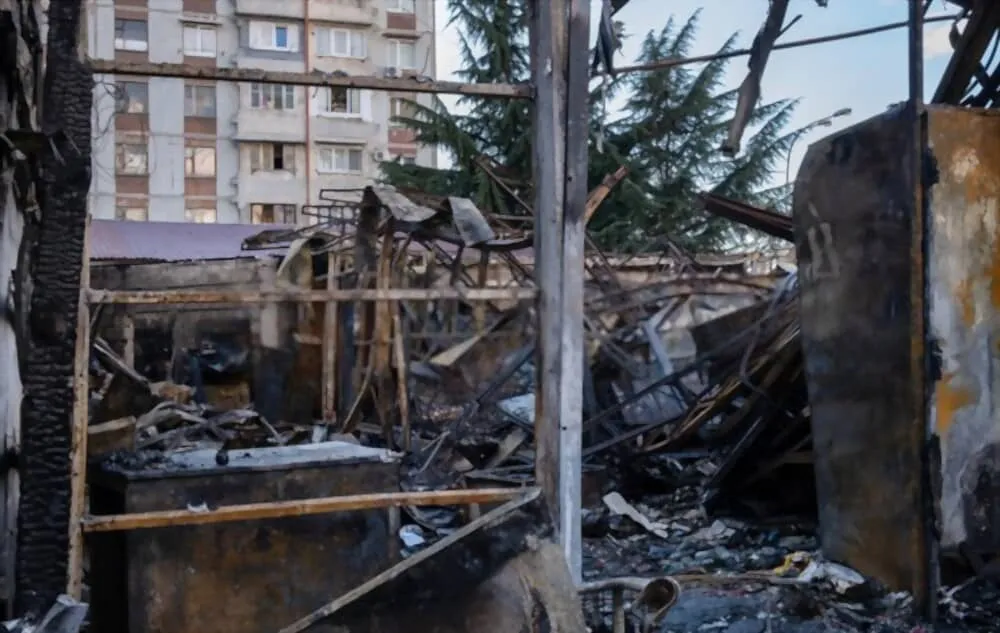
A house fire is one of the most devastating events any homeowner can experience. Beyond the immediate danger to life, fire leaves behind a complex trail of damage that extends far beyond what flames directly touch. Smoke, soot, toxic residues, and water from firefighting efforts all compound the destruction, making professional restoration essential.
In Auckland, Fire and Emergency New Zealand (FENZ) responds to hundreds of residential fires each year. Whether caused by cooking accidents, electrical faults, or heating appliances, the aftermath demands a systematic, professional approach to restore your home safely. This guide walks you through everything you need to know about the fire damage restoration process.
What Happens Immediately After a House Fire
The hours following a house fire are critical. Once FENZ has extinguished the fire and declared the scene safe, there are several immediate steps you should take to protect yourself and begin the recovery process.
Ensure Everyone's Safety
Your family's safety is the absolute priority. Do not re-enter the property until fire services have confirmed it is structurally sound. Even if the fire appeared minor, hidden damage to load-bearing walls, floors, and roof structures can make the building extremely dangerous.
Important: Never enter a fire-damaged property without clearance from Fire and Emergency New Zealand. Structural collapse, toxic fumes, and electrical hazards can pose life-threatening risks even after the fire is extinguished.
Contact Your Insurance Provider
Notify your insurance company as soon as possible. Most NZ insurers have 24/7 claims lines specifically for emergency situations. When you call, have the following information ready:
- Policy number and personal identification details
- Date, time, and location of the fire
- FENZ incident number (provided by attending fire crews)
- Brief description of the extent of damage
- Contact details for where you can be reached
Document Everything
Before any cleanup begins, thoroughly document all damage. Take photographs and video of every affected room, including walls, ceilings, floors, contents, and exterior damage. This documentation is vital for your insurance claim and will be referenced throughout the restoration process.
Arrange Temporary Accommodation
If your home is uninhabitable, your insurance policy will typically cover temporary accommodation costs. Keep all receipts for accommodation, meals, and essential purchases, as these may be reimbursable under your policy's "loss of use" provision.
Understanding the Types of Fire Damage
Fire damage is rarely limited to what the flames directly touched. Understanding the different types of damage helps you appreciate why professional restoration is a multi-stage process.
Structural Damage
Direct flame contact causes the most obvious damage. Timber framing can be charred or completely consumed, concrete and masonry may crack from extreme heat, and steel structural elements can warp or lose their load-bearing capacity. In Auckland's mix of weatherboard, brick-and-tile, and modern construction, structural assessments must be tailored to each building type.
Smoke Damage
Smoke travels far beyond the fire's origin, penetrating every room and seeping into wall cavities, ceiling spaces, and ductwork. Smoke damage is often the most widespread form of fire damage, affecting areas of the home that appear visually untouched. Smoke leaves behind acidic residues that, if not treated promptly, will permanently stain and corrode surfaces.
Soot Damage
Soot is the black, powdery or oily residue left by incomplete combustion. There are two main types:
- Dry soot — produced by fast-burning, high-temperature fires (wood, paper). It is powdery and easier to clean but spreads widely.
- Wet/oily soot — produced by slow-burning, low-temperature fires (plastics, rubber, synthetic materials). It is sticky, smears easily, and is much harder to remove.
Soot is highly acidic and will etch into glass, corrode metals, and permanently discolour fabrics and painted surfaces if left untreated for more than a few days.
Water Damage from Firefighting
The water used to extinguish fires creates its own category of damage. Thousands of litres of water can saturate flooring, subfloors, wall linings, and insulation. This water damage, if not addressed quickly, leads to secondary issues like mould growth, timber swelling, and structural deterioration. In many fire restorations, the water damage requires as much attention as the fire damage itself.
Chemical and Toxic Residues
Modern homes contain numerous synthetic materials — plastics, foams, treated timbers, and chemical products — that release toxic compounds when burned. These residues settle on surfaces throughout the property and can pose serious health risks if not professionally removed.
The Professional Fire Restoration Process
Professional fire damage restoration follows a methodical, multi-stage process. At iDry Restorations, our IICRC-certified technicians follow industry best practice for every fire restoration project in Auckland.
Stage 1: Emergency Contact and Assessment
The process begins with an emergency call to our 24/7 team. We dispatch a project manager to the site to conduct a comprehensive assessment, which includes:
- Structural integrity evaluation in coordination with engineering consultants where required
- Mapping the extent of fire, smoke, soot, and water damage across the entire property
- Air quality testing for toxic residues and particulates
- Identifying salvageable versus non-salvageable contents
- Developing a detailed scope of works and restoration plan
Stage 2: Board-Up and Tarping
Securing the property is the immediate priority. This involves boarding up broken windows, doors, and any openings in walls or the roof. Tarping is applied over damaged roofing to prevent rain ingress — particularly important in Auckland's wet climate. This step prevents further damage from weather, pests, and unauthorised access.
Stage 3: Water Removal and Drying
Before fire damage can be addressed, all water from firefighting must be extracted. This stage mirrors the flood restoration process and includes:
- Standing water extraction using industrial pumps and vacuums
- Moisture mapping with thermal imaging cameras and moisture metres
- Installation of commercial dehumidifiers and air movers
- Daily moisture monitoring until dry standard is achieved
Did you know? Water damage from firefighting can be just as destructive as the fire itself. Prompt extraction and drying are critical to prevent mould growth, which can begin within 24 to 48 hours in Auckland's humid conditions.
Stage 4: Smoke and Soot Removal
This is one of the most technically demanding stages. Different surfaces and soot types require different cleaning methods:
- Dry cleaning — using chemical sponges and HEPA vacuuming for dry soot on walls and ceilings
- Wet cleaning — using specialist alkaline or solvent-based solutions for oily soot residues
- Abrasive cleaning — soda blasting or dry ice blasting for heavily contaminated structural timbers and masonry
- HEPA air scrubbing — continuous filtration to remove airborne smoke particles from the indoor environment
Stage 5: Odour Neutralisation
Smoke odour is one of the most persistent challenges in fire restoration. It penetrates deep into porous materials and cannot be masked — it must be neutralised at a molecular level. Professional techniques include:
- Thermal fogging — generates a heated vapour that penetrates the same cavities as smoke, neutralising odour molecules
- Ozone treatment — ozone generators break down odour-causing compounds (property must be unoccupied during treatment)
- Hydroxyl generators — UV-based technology that safely neutralises odours while the property remains occupied
- Sealing — applying specialist odour-blocking sealers to surfaces before repainting
Stage 6: Cleaning and Sanitisation
Every surface in the affected area is thoroughly cleaned and sanitised. This includes hard surfaces, soft furnishings, HVAC systems, and contents. Salvageable personal belongings may be removed to a specialist cleaning facility for off-site restoration, which can include ultrasonic cleaning for small items and ozone chambers for textiles.
Stage 7: Repairs and Reconstruction
Once the property is clean, dry, and deodorised, the rebuild phase begins. Depending on the extent of damage, this may involve:
- Replacing fire-damaged framing, wall linings (GIB), and insulation
- Rewiring electrical systems and replumbing where required
- Installing new flooring, cabinetry, and fixtures
- Repainting throughout with odour-sealing primers
- Final inspections and building consent sign-off where applicable
Stage 8: Final Inspection and Handover
Before handover, the restored property undergoes a final quality inspection. Air quality testing confirms that smoke particulates and toxic residues are within safe levels. The homeowner receives a detailed completion report, which is also shared with the insurance company for claim finalisation.
How Long Does Fire Restoration Take?
The timeline for fire damage restoration depends on the severity and extent of damage. Here is a general guide for Auckland properties:
- Minor fire damage (limited to one room, minimal smoke spread): 1 to 3 weeks
- Moderate fire damage (multiple rooms affected, significant smoke and water damage): 1 to 3 months
- Severe fire damage (major structural compromise, full rebuild required): 3 to 6 months or longer
Factors that can extend the timeline include the availability of building materials, the complexity of insurance negotiations, the need for building consents, and Auckland's weather conditions during exterior work.
Smoke Damage Health Risks
Smoke damage is not just a cosmetic problem — it poses genuine health risks that make professional remediation essential.
Immediate Health Effects
- Respiratory irritation, coughing, and shortness of breath
- Eye and skin irritation from soot particles
- Headaches, nausea, and dizziness from inhaling toxic fumes
- Aggravation of existing conditions such as asthma and COPD
Long-Term Health Risks
Prolonged exposure to smoke residues can lead to chronic respiratory problems, increased risk of cardiovascular issues, and potential carcinogenic effects from exposure to compounds like benzene, formaldehyde, and polycyclic aromatic hydrocarbons (PAHs) released when synthetic materials burn.
Health warning: Children, the elderly, and anyone with pre-existing respiratory conditions are particularly vulnerable to smoke residue exposure. Professional cleanup is essential to eliminate these hidden health hazards from your home.
What Can and Cannot Be Salvaged
One of the most common questions after a fire is: "What can we save?" The answer depends on the type of item, the extent of exposure, and the type of damage sustained.
Items That Can Often Be Salvaged
- Metal items — appliances, tools, cookware (may need professional cleaning and rust treatment)
- Glass and ceramics — dishes, ornaments, glass furniture
- Solid timber furniture — can often be stripped, cleaned, and refinished
- Photographs and documents — specialised freeze-drying and digital restoration techniques can recover many items
- Some electronics — depending on heat and smoke exposure, data recovery and component cleaning may be possible
- Jewellery and precious metals — professional ultrasonic cleaning restores most pieces
Items That Typically Cannot Be Salvaged
- Badly burnt plastics and synthetics — release toxic residues when melted
- Heavily charred structural timber — compromised load-bearing capacity
- Food and medicines — any food or medication exposed to heat, smoke, or firefighting chemicals must be disposed of
- Cosmetics and personal care products — contaminated by smoke and heat
- Severely smoke-damaged soft furnishings — mattresses, upholstered furniture, and carpet that have absorbed deep smoke contamination
Working with Insurance After a Fire
Navigating the insurance claims process after a fire can be stressful and complex. Here is what Auckland homeowners should know.
What Your Policy Typically Covers
Most standard home and contents insurance policies in New Zealand cover:
- Structural repairs and rebuild costs
- Professional fire, smoke, and soot restoration
- Water damage from firefighting
- Contents replacement or repair
- Temporary accommodation while the home is uninhabitable
- Professional cleaning and decontamination
Tips for a Smooth Claims Process
- Document everything before any cleanup begins — photograph and video all damage
- Keep a detailed inventory of damaged contents with approximate values and purchase dates
- Do not dispose of items until your insurer or their assessor has inspected them
- Keep all receipts for emergency expenses, accommodation, and essential purchases
- Work with your restoration company — experienced teams like iDry Restorations liaise directly with insurers to streamline the process
Fire Statistics in Auckland
Understanding fire risks in Auckland helps homeowners take preventative action. According to Fire and Emergency New Zealand data:
- Auckland region consistently records the highest number of residential fire incidents in New Zealand due to its large population
- Cooking-related fires are the leading cause of residential fires across the Auckland region
- Electrical faults, including faulty wiring and overloaded power boards, are the second most common cause
- Winter months see a spike in heating-related fires, particularly in older Auckland homes that rely on portable heaters
- Older suburbs with weatherboard construction, such as Ponsonby, Grey Lynn, Mt Eden, and Devonport, face higher fire spread risk due to the proximity of timber-framed buildings
Fire Prevention Tips for Auckland Homes
Prevention is always better than restoration. Here are practical steps every Auckland homeowner should take:
- Install smoke alarms on every level of your home and test them monthly. Under NZ law, landlords must provide working smoke alarms in all rental properties.
- Never leave cooking unattended — this is the number one cause of house fires in Auckland.
- Maintain your electrical systems — have a registered electrician inspect wiring in older homes, and never overload power boards.
- Keep portable heaters clear of curtains, furniture, and bedding. Use heaters with automatic tip-over shut-off features.
- Clean your dryer lint filter after every use and have the exhaust vent professionally cleaned annually.
- Store flammable materials safely — keep paint thinners, petrol, and other flammable liquids in a detached garage or shed, away from heat sources.
- Create a household fire escape plan and practise it with your family at least twice a year.
- Keep a fire extinguisher in the kitchen and learn how to use it. Replace or service it according to the manufacturer's instructions.
Pro tip: Consider upgrading to long-life photoelectric smoke alarms with a 10-year battery. These are recommended by Fire and Emergency New Zealand as the most effective type for residential properties.
Why Choose Professional Fire Restoration
Attempting to clean up fire damage without professional help can be dangerous and counterproductive. Here is why expert restoration matters:
- Health and safety — professionals have the training, PPE, and equipment to work safely in contaminated environments
- Proper techniques — incorrect cleaning methods can spread soot, drive smoke deeper into materials, and cause permanent damage
- Specialist equipment — industrial air scrubbers, ozone generators, thermal foggers, and commercial dehumidifiers are required for thorough restoration
- Insurance compliance — insurers expect professional restoration to industry standards. DIY attempts can complicate or jeopardise your claim
- Complete restoration — professionals address hidden damage in wall cavities, ceiling spaces, and HVAC systems that homeowners cannot access
At iDry Restorations, our IICRC-certified team has extensive experience restoring fire-damaged properties across Auckland, from West Auckland weatherboard villas to modern North Shore townhouses. We work directly with all major NZ insurers to manage the claims process, so you can focus on your family's recovery.
Fire damage often leads to secondary issues including mould growth from residual moisture and potential biohazard contamination. In some cases, fire-damaged properties may also reveal pre-existing meth contamination once walls and ceilings are opened during restoration. Our team addresses all aspects of disaster restoration to ensure your property is fully restored and safe for habitation.
If your Auckland home has suffered fire damage, contact iDry Restorations for a prompt, professional assessment. Our 24/7 emergency team is ready to respond when you need us most.